The Natural Choice for Sustainable Design
Real American Hardwoods combine beauty, strength, and unmatched sustainability. At Mason’s Mill, we partner with the Real American Hardwood Coalition (RAHC) and NHLA to deliver the facts, dispel myths, and provide architects, designers, and builders with the tools they need to make informed material choices.
Real American Hardwoods are harvested from responsibly managed North American forests, making them a natural, renewable, and biodegradable alternative to synthetic building products. With more than 20 species available, hardwoods offer architects, designers, and builders a versatile palette of colors, textures, and performance characteristics suited for any project.
Beyond their beauty, hardwoods are durable, repairable, and long-lasting—qualities that make them a proven choice for flooring, cladding, cabinetry, millwork, and furniture. And because U.S. hardwood forests expand at nearly twice the rate of harvest, these materials remain one of the most abundant and reliable renewable resources available today.
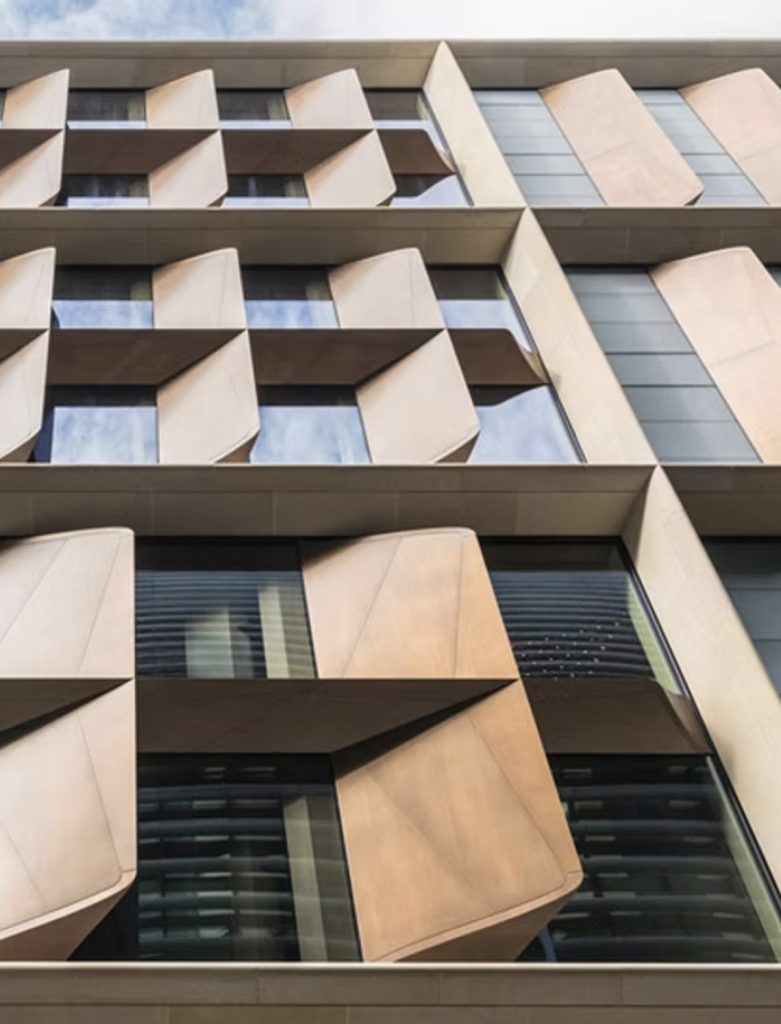
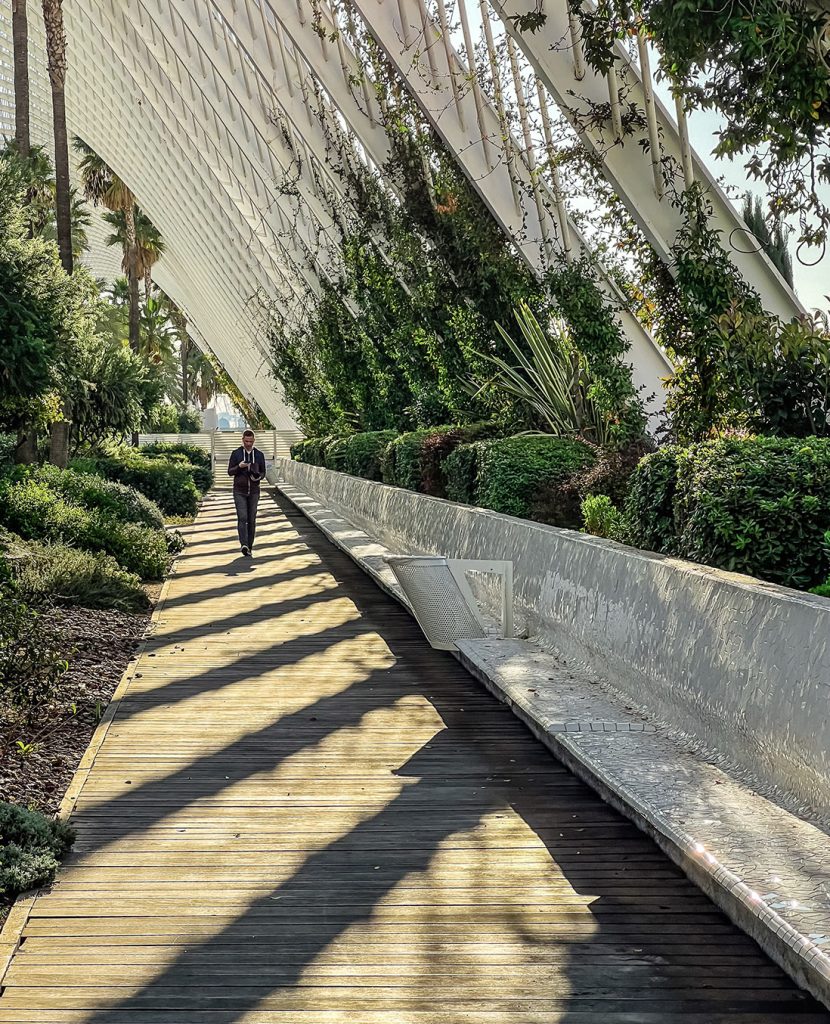
From sustainability credentials to design versatility, hardwood is central to today’s biophilic and performance-driven architecture.
The RAHC provides tools and data to simplify design choices.
Hardwood adds warmth and timeless character.
Dimensional stability and strength outperform synthetic alternatives.
Natural materials proven to improve well-being.
Step inside one of the nation’s largest hardwood suppliers. Our warehouse holds millions of board feet of Real American Hardwoods—carefully stored, graded, and ready for projects of every scale.
The drone tour highlights not only the depth of our inventory, but also our in-house mill, where raw hardwoods are transformed through precision milling and finishing to meet the exact needs of architects, designers, and builders.
Hardwoods don’t just build—they store carbon for generations.
No other building material can match the environmental impact of hardwood. Throughout its life, a tree absorbs carbon dioxide and produces oxygen, helping clean the air we breathe. Once harvested, sawn lumber continues to store that carbon for decades—sometimes centuries—making every board a natural carbon reservoir.
At Mason’s Mill, our warehouses alone hold more than two million pounds of sequestered carbon at any given time. And when hardwood eventually reaches the end of its lifecycle, it naturally biodegrades, unlike synthetic or metal alternatives that linger in landfills for generations.

NHLA and the Real American Hardwood Coalition have created educational content that directly addresses the questions architects, designers, and clients are asking today.
As one of the largest hardwood suppliers in the U.S., Mason’s Mill provides architects, builders, and fabricators with access to premium hardwood species and custom milling.
Yes. U.S. hardwood forests grow at nearly twice the rate of harvest, which means there is more hardwood standing in American forests today than 50 years ago. With responsible forest management, hardwood remains one of the most renewable building materials available.
Unlike vinyl, laminate, or other “wood-look” products, hardwood is natural, renewable, and biodegradable. Synthetics are petroleum-based, require more energy to produce, and do not sequester carbon—while every board of hardwood stores 50% carbon by weight.
Absolutely. From the time they grow, trees absorb CO₂ and release oxygen. Once harvested, hardwood products continue storing that captured carbon for decades, reducing the overall carbon footprint of buildings that use them.
Yes. Hardwood is naturally strong and long-lasting, and it can be refinished or repaired rather than replaced—making it more cost-effective and sustainable over time compared to synthetic alternatives.
There are more than 20 commonly available species, each with unique colors, grains, and characteristics. From white oak and ash to maple and walnut, there’s a hardwood suited for virtually every design style and performance need.
Hardwood is biodegradable and can return to the earth naturally. In many cases, it can also be repurposed or recycled into new products, further extending its lifecycle and sustainability benefits.
Biophilic design is an architectural approach that integrates natural elements into built environments to strengthen the connection between people and nature. Research shows biophilic design improves well-being, reduces stress, and increases productivity. Real American Hardwoods are central to this movement, bringing authentic natural textures, warmth, and a sense of balance to residential and commercial spaces alike.
Ready to bring the beauty and sustainability of Real American Hardwoods into your next project? Mason’s Mill supplies a wide range of hardwood species with custom milling and factory finishing available to meet your exact specifications. Tell us about your project, and our team will provide a tailored quote to help you get started.