Not All Modified Wood Is Created Equal: What to Look for Before You Buy
Modified wood has earned its place as one of the most exciting advances in sustainable building materials. No toxic chemicals. No pressure treatment. Just science — permanently transforming ordinary timber into a high-performance product built to outlast the elements.
But as the category grows, so does the noise around it. More brands are entering the market, making bold claims about durability, stability, and sustainability. The truth is, not every modified wood product delivers equally. The process, the species, the testing standards, and the track record behind each product matter enormously — and knowing what to ask can save you a costly mistake on your next project.
At Mason’s Mill & Lumber, we’ve built our reputation on carrying only the modified wood products we believe in: Thermory and Accoya. Both fall under the broader umbrella of modified wood — Thermory through thermal modification, Accoya through acetylation — two distinct processes, both proven through decades of independent testing. Here’s why those standards matter, and what every architect, builder, and homeowner should understand before specifying modified wood.
What Is Modified Wood, and Why Does It Matter?
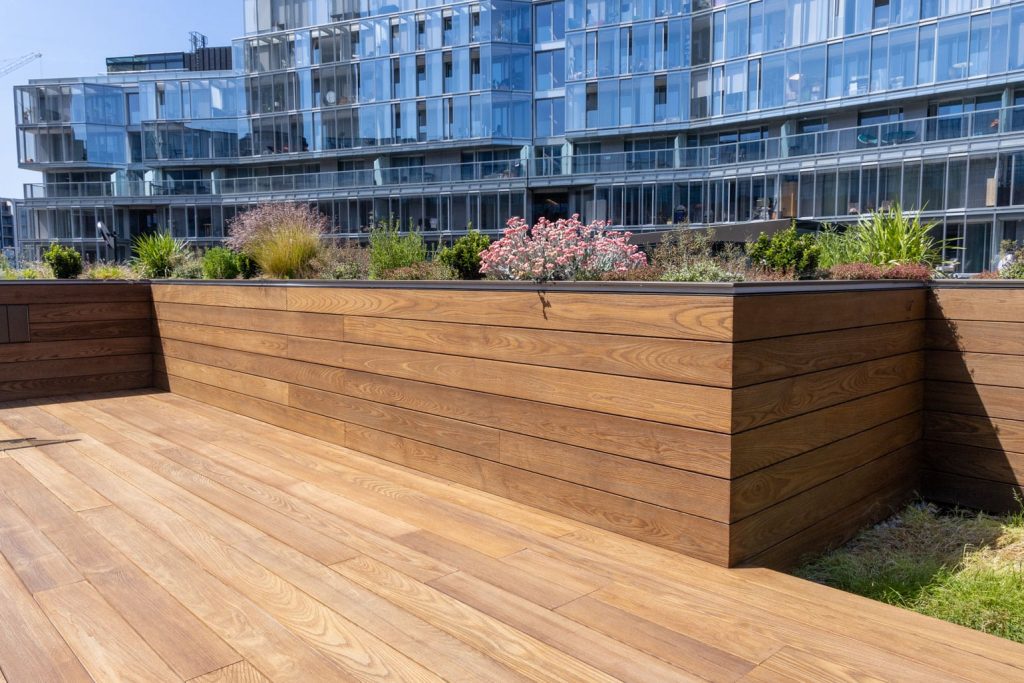
The term “modified wood” covers any process that permanently alters wood’s cellular structure to improve performance — without introducing toxic chemicals. The two most proven methods are thermal modification (used by Thermory) and acetylation (used by Accoya). Each takes a different scientific approach to the same goal: wood that resists rot, stays stable, and lasts decades in demanding outdoor conditions.
Thermal modification works by heating timber to extreme temperatures — typically between 180°C and 230°C — in a carefully controlled environment. The process is more precise than it might sound: first, the kiln drives moisture out of the wood as aggressively as possible, bringing it near zero to protect the cell walls from rupturing under heat. Only after the peak temperature phase, during the cooling stage, is steam carefully reintroduced to stabilize the wood and prevent cracking. The heat permanently breaks down the hemicellulose that fungi and insects rely on for food, and reduces the wood’s ability to absorb and release moisture.
The result is a product that is:
- Dimensionally stable — expanding and contracting far less than untreated wood
- Resistant to rot, decay, and insects — without a single drop of pesticide or fungicide
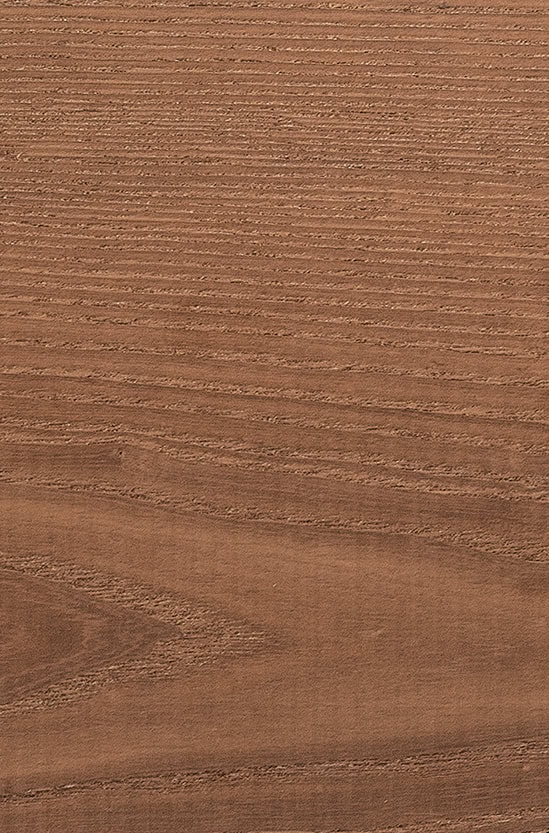
- Richer in color — the thermal process naturally darkens the wood to warm, deep tones
- Lighter in weight — easier to handle and machine on site
- Thermally efficient — superior heat and sound insulation compared to untreated timber
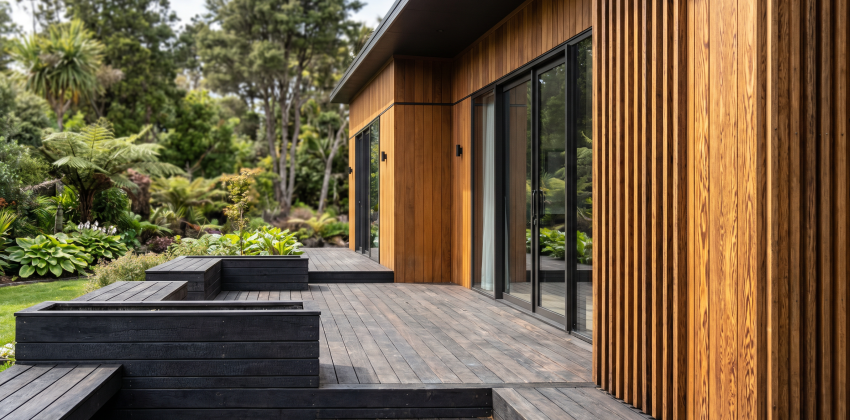
These are the reasons thermally modified wood has replaced tropical hardwoods on decks, facades, and siding projects across the world. It delivers comparable or superior durability while being sourced from managed, sustainable forests.
The Standard That Separates Good from Great
Not every kiln produces the same result. The thermal modification process varies significantly between manufacturers — peak temperature, duration, moisture management, and cooling protocols all affect the final product’s performance. This is why independent testing, third-party certifications, and long-term field data are the only honest measures of a modified wood product’s worth.
Here’s the benchmark that matters most: durability class ratings, defined by European standard EN 350. Class 1 is the highest achievable rating, indicating a service life exceeding 25 years in outdoor applications.
When evaluating any modified wood, ask these questions:
- Has it achieved a Class 1 or Class 2 durability rating through independent lab testing?
- Are field test results available — not just accelerated lab simulations?
- What quality control measures ensure every board is modified to the same specification?
- What warranty does the manufacturer stand behind?
Products that can answer all four of these questions with documented proof deserve your confidence. Those that cannot — regardless of their marketing — deserve more scrutiny.
Why Thermory Sets the Standard for Thermally Modified Wood
Thermory has been refining and perfecting the thermal modification process since 1997. Their wood undergoes intense thermal modification at temperatures exceeding 215°C for outdoor applications, permanently transforming every fiber — not just the surface.
The performance numbers speak for themselves:
- Equilibrium moisture content is reduced by 50% compared to untreated wood — and this reduction holds after years of outdoor exposure
- Swelling and shrinkage is reduced 5–10 times for hardwoods and 2–3 times for softwoods
- Thermory hardwoods (such as American and European ash) achieve durability Class 1 — over 25 years of outdoor service life without chemical protection
- Thermory softwoods can achieve a Class 1-2 durability — 15–25 years of carefree outdoor performance
- Heat and sound insulation is superior to natural wood by as much as 30%
Thermory uses sustainably sourced European and American hardwood and softwood species — FSC® and PEFC-certified — making thermally modified ash a genuine, renewable alternative to slow-growing tropical hardwoods. Material waste is minimized throughout the process, and byproducts are reused for energy.
Mason’s Mill & Lumber operates the Thermory USA Central Warehouse in Houston, Texas — the home of the largest Thermory inventory in the country. We ship daily across the U.S. and offer custom milling and factory pre-finishing to meet exact project specifications.
Thermory + SaferWood: Fire-Resistant Modified Wood for High-Risk Areas
One of the most significant recent advances in thermally modified wood is the partnership between Thermory and SaferWood, which brings fire-resistant performance to Thermory’s Benchmark Pine — opening new opportunities for real wood in wildfire-prone and WUI (Wildland-Urban Interface) zones where strict fire codes have traditionally ruled out wood entirely.
The treatment uses Thermex-FR, a fire retardant manufactured by Chemco, Inc. — the only FRTW (Fire-Retardant-Treated Wood) company that manufactures its own fire retardant on-site, continuously since 2000. Thermex-FR is non-leachable, non-toxic, and non-hazardous, verified by independent third-party and Department of Ecology testing.
What SaferWood-treated Thermory Benchmark Pine achieves:
- Class A flame spread performance — the highest fire resistance rating available
- Qualifies as both Ignition-Resistant material (ICC 503.2 compliant) and Fire-Retardant-Treated Wood (FRTW)
- Approved for all California WUI/FHSZ Fire Hazard Severity Zones, including Very High zones in Los Angeles County
- Approved for WUI designated areas across the entire United States
- Passed ASTM E2768 (“30-minute E84”) surface burning test and ASTM D2898 Accelerated Weathering (“800-inch rain” test) — the most rigorous ASTM testing criteria for weathering, extended surface burning, and smoke development in North America
- SaferWood is the only company to pass California’s 10-year Natural Outdoor Weathering Test
- Evaluated by the International Code Council (ICC) per ESR-1159; validated by QAI CERus-1031
- Offers the only appearance-grade guarantee in the FRTW category — mar-free, no sticker mark finish
- The only FRTW to offer a limited lifetime warranty
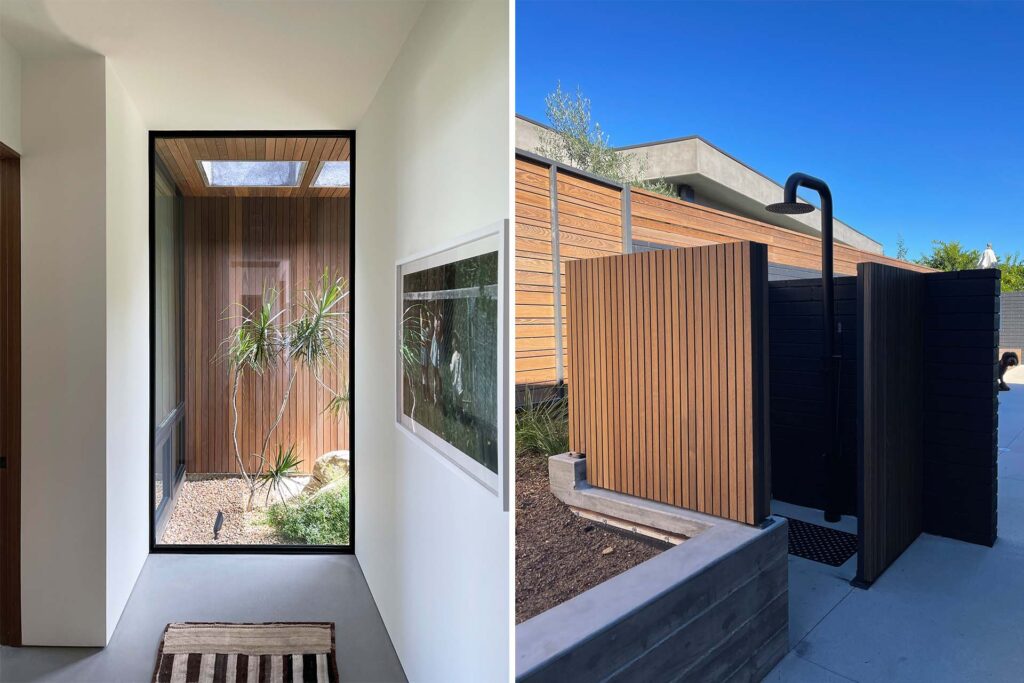
For architects and builders working in California, the Mountain West, or any WUI-designated zone, Thermory with SaferWood treatment means you can now specify real, thermally modified wood — with the beauty and sustainability credentials you expect from Thermory — without sacrificing code compliance. Available through Mason’s Mill & Lumber in Benchmark Pine profiles, with all profiles available for special order.
Accoya — The Gold Standard in Acetylated Wood for Doors, Windows, and Joinery
Where Thermory excels in decking and cladding, Accoya occupies a category of its own for joinery applications — windows, doors, and exterior millwork where dimensional precision and coating performance are non-negotiable. Accoya uses acetylation — a different process from thermal modification — which permanently alters the cell structure of sustainably sourced FSC-certified radiata pine so it no longer absorbs water like untreated timber. Acetic anhydride reacts with the wood’s hydroxyl groups, converting them into acetyl groups that repel moisture at the molecular level.
The independent testing record behind Accoya is extensive:
- 60-year service life confirmed by BRE (Building Research Establishment) for exterior applications
- Class 1 durability rating — the highest available classification
- Durability more than 22 times better than untreated radiata pine in Formosan termite tests (LSU testing)
- 17% more thermally efficient than typical softwoods; 40% more thermally efficient than typical hardwoods
- Windows built with Accoya have achieved A-rated status under the BFRC energy rating system
- No rot or decay after 13 years in L-joint tests (BRE)
- Certifications including FSC®, LEED, BREEAM, Declare, Green Star, and KOMO
- 50-year above-ground warranty and a 25-year in-ground or freshwater warranty
What to Watch Out for When New Products Enter the Market
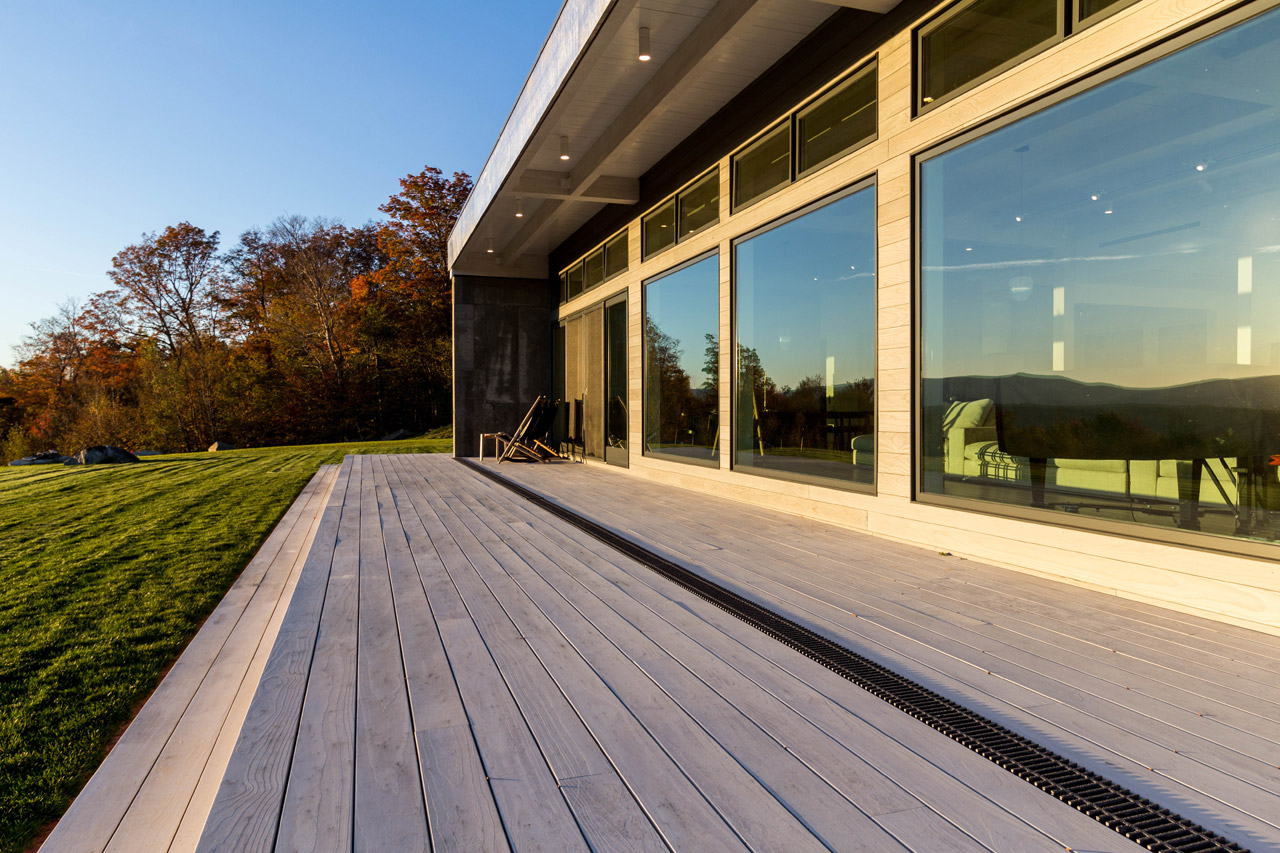
The modified wood category is growing fast — and that growth is attracting new entrants. Some are backed by meaningful research and rigorous quality control. Others are not.
When a new modified wood product comes to market, the most important thing to understand is this: Class 1 durability ratings based on lab testing alone are not sufficient proof of real-world performance. Lab tests give you an indication. Long-term field trials in real decay environments give you proof.
“The only way to prove that a modified wood is durable is to do a field test… A lab test gives you an indication, and a field test gives you concrete proof.”
Look for:
- Multi-year outdoor field test data, not just accelerated lab results
- Consistent quality control — documentation that every board is modified to the same specification
- A meaningful product warranty backed by the manufacturer
- U.S. building code compliance data — building officials need to see the documentation
Products like Abodo Wood — thermally modified Radiata Pine from New Zealand — represent a newer wave of entrants to the U.S. market. Abodo has invested in testing infrastructure, and New Zealand Radiata Pine is an FSC-certified plantation species. However, field test data and long-term performance records in the U.S. climate are still accumulating. There is currently no U.S. standard for thermal modification, which means buyers bear more responsibility for vetting performance claims than they would with established products that carry decades of independent validation behind them.
For architects, contractors, and specifiers taking on projects where warranty, performance documentation, and liability matter, the proven track record of Thermory and Accoya provides a level of assurance that newer market entrants simply cannot yet offer.
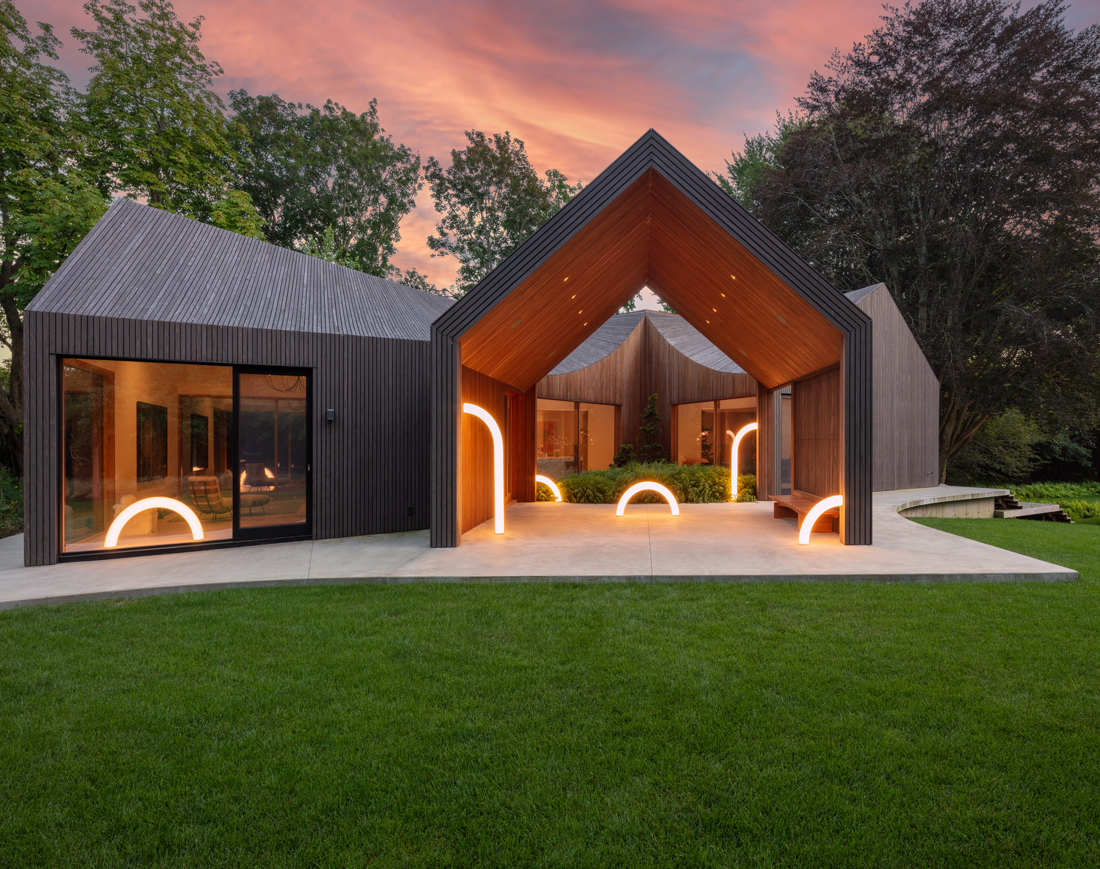
Modified Wood Applications: Where Each Product Shines
Understanding which product fits which application helps you specify with confidence.
Thermory is the first choice for:
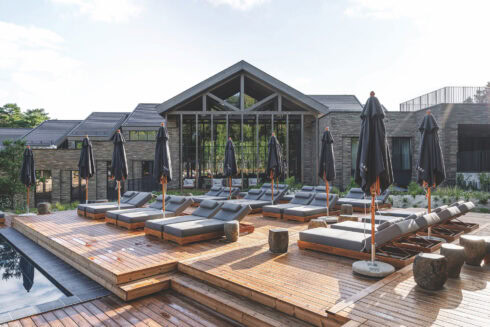
- Exterior decking and pool surrounds
- Exterior cladding and siding (including Thermory Vivid for pre-finished applications)
- Fire-rated decking and cladding in WUI zones (with SaferWood treatment)
- Soffits, screens, and pergolas
- High-humidity interior applications (saunas, steam rooms, spa spaces)
- Exterior ceiling and soffit treatments
Accoya is the first choice for:
- Exterior windows and doors
- Fine joinery and millwork
- Exterior cladding where coating longevity is critical
- Applications in or near fresh water (docks, canal linings, marine structures)
- Energy-efficient building envelope components
Thermory is chemical-free and FSC® / PEFC-certified. Accoya is FSC-certified and carries an extensive list of green building certifications. Both are backed by independent performance data and available through Mason’s Mill & Lumber with expert guidance on specification, custom milling, and pre-finishing.
The Mason’s Mill Difference
Mason’s Mill & Lumber isn’t just a distributor of modified wood — we are a working partner to the architects, builders, and homeowners we serve. As the Thermory USA Central Warehouse in Houston, we carry the nation’s largest inventory of Thermory products and ship daily across the country. Our in-house custom milling and pre-finishing capabilities mean your materials arrive job-ready.
When you specify modified wood through Mason’s Mill, you get:
- Access to the deepest Thermory inventory in the U.S.
- Expert guidance on species selection, profile options, and finishing
- Custom milling to your exact dimensions and specifications
- Factory pre-finishing for reduced on-site labor and consistent results
- Thermory + SaferWood fire-resistant options for WUI and high fire-risk projects
- Direct support from a team that has been working with premium wood products for decades
The modified wood category is evolving. New brands will continue to enter the market, each with compelling stories. Our job — and our commitment to you — is to carry only the products we would put on our own buildings.
Ready to specify modified wood for your next project? Request a sample or quote from Mason’s Mill & Lumber today.