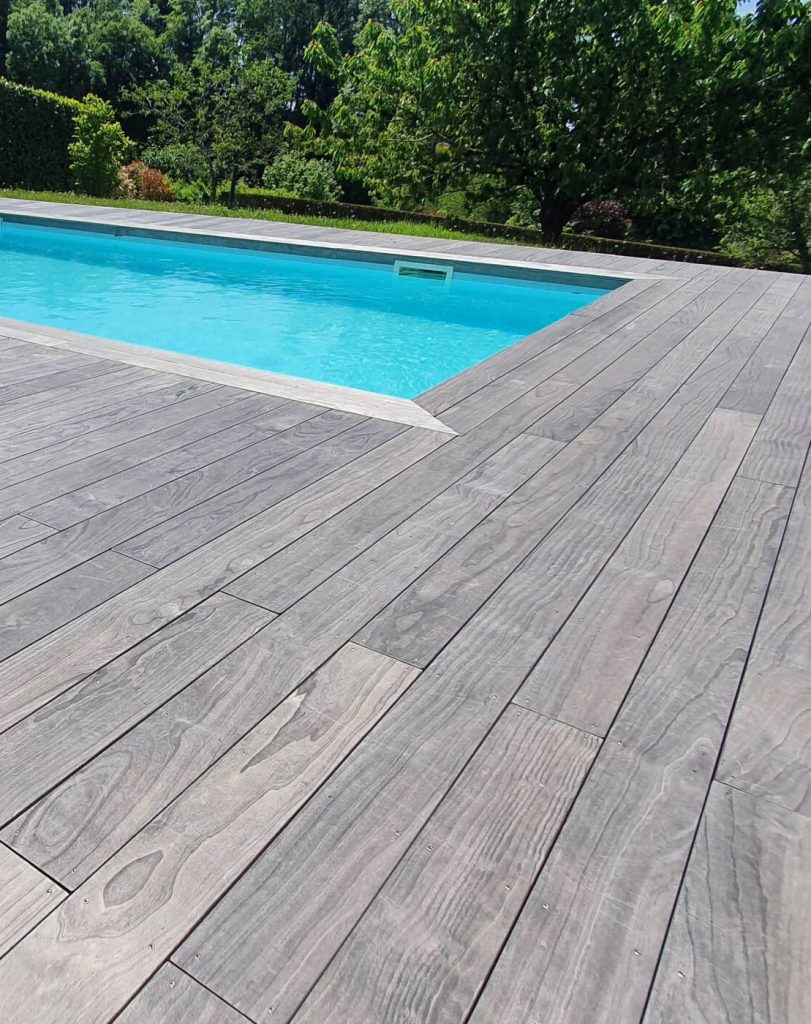
At Mason’s Mill & Lumber, we understand that decking isn’t just wood underfoot, it’s a defining architectural element of outdoor living. Whether you’re designing a backyard oasis or a commercial terrace, your choice of decking materials and accessories impacts durability, performance, aesthetics, and long-term value.
Outdoor spaces deserve the same level of material consideration as the structures they connect to.
From refined residential decks to large-scale commercial terraces, the right decking system shapes how a space looks, weathers, and performs over time.
At Mason’s Mill & Lumber, we help you select materials that support both your design intent and long-term durability.
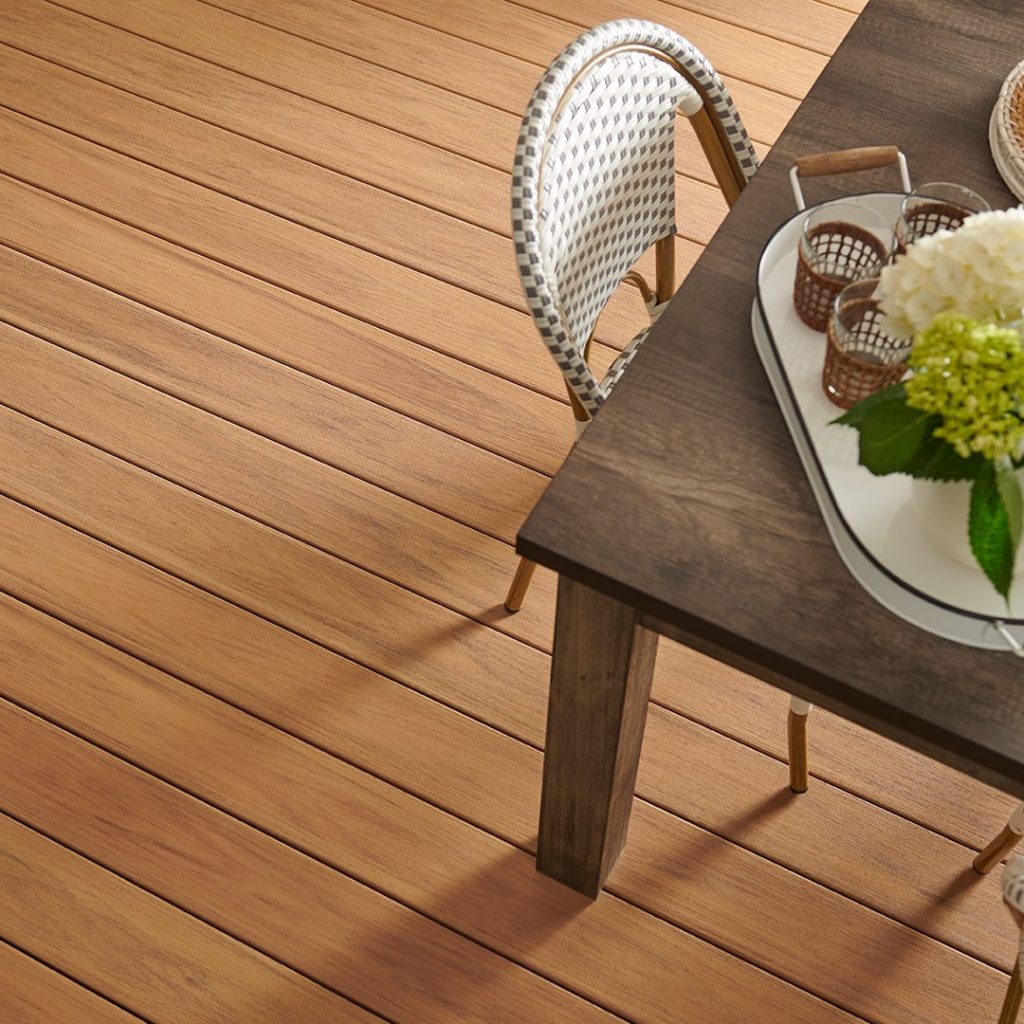
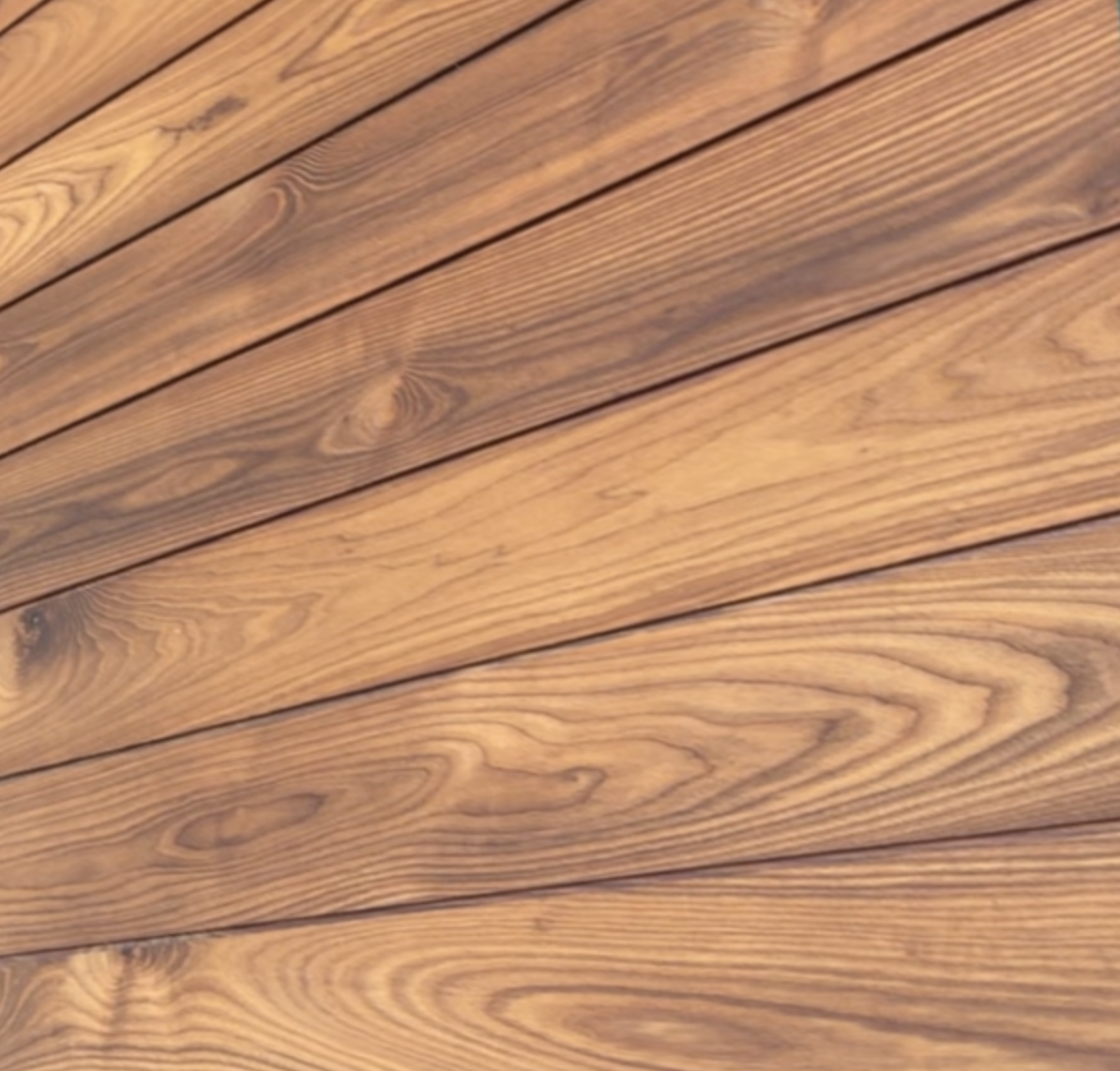
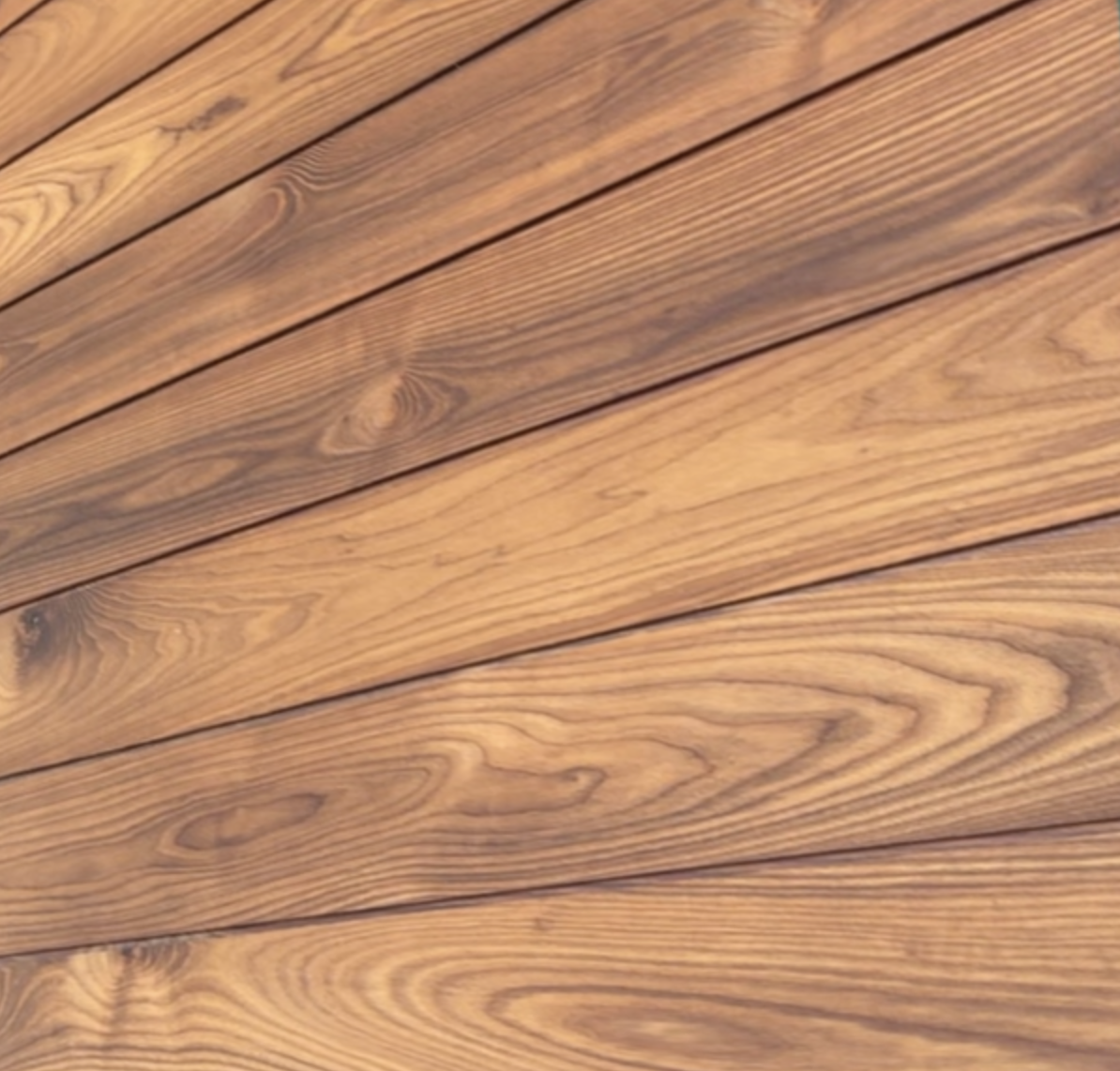
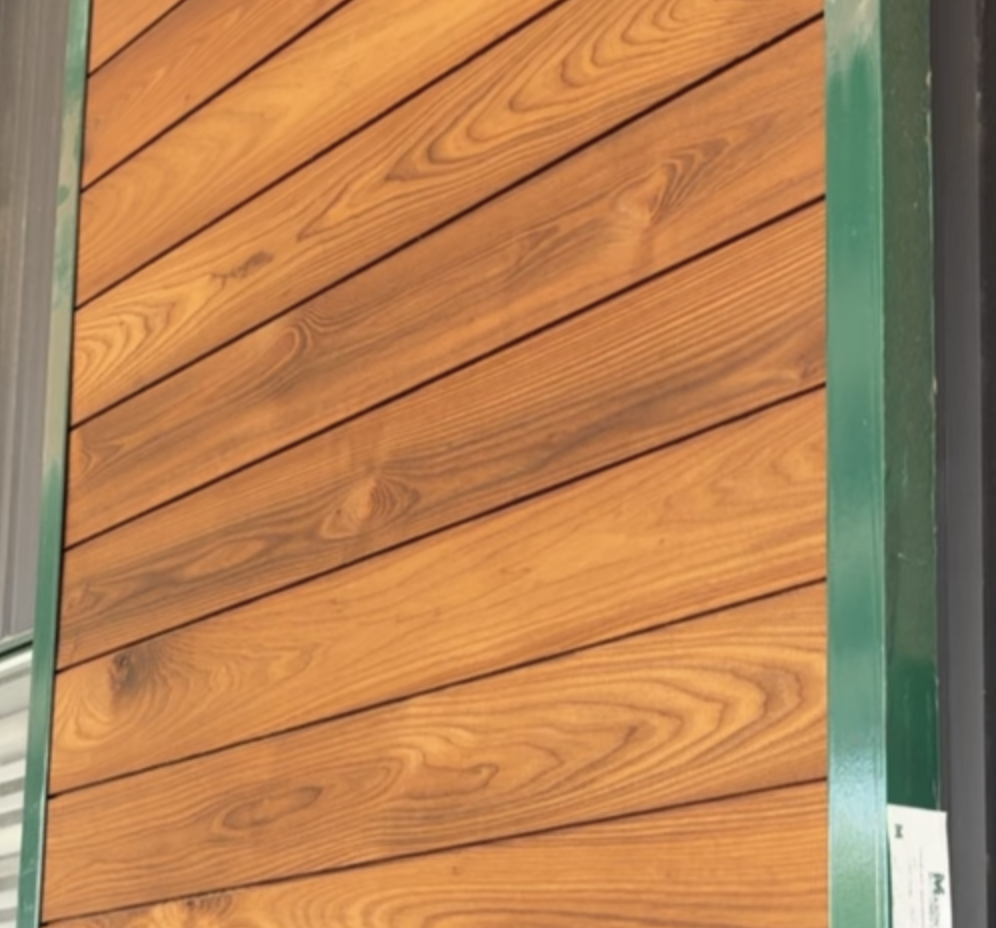
Thermac Ash Light Roast is a thermally modified White Ash produced by Bingaman & Son Lumber, one of the leading domestic manufacturers of thermally modified hardwoods in North America. Sourced from responsibly managed Appalachian and Pennsylvania forests, the ash is transformed through a chemical-free process that uses only heat and steam — no chemicals, plastics, or additives — sustained for 14–16 hours in an oxygen-deprived kiln. The "Light Roast" designation refers to a lower peak modification temperature, producing a warm caramel-to-amber tone rather than the deeper chocolate brown of a standard or dark roast. The result is a domestic hardwood with the color character of exotic species like teak or light walnut, while retaining more of ash's natural grain contrast and figure.
The performance story is where thermally modified ash really shines. The modification process breaks down the sugars and hemicellulose that fungi and insects feed on, and permanently reduces the wood's ability to absorb moisture — by as much as 45% compared to untreated ash. Independent testing per EN 350 standards rates thermally modified ash at Durability Class 1 ("very durable"), placing it in the same durability tier as tropical hardwoods like teak and ipe, with an expected exterior service life of 25+ years. Dimensional stability improves dramatically as well: radial and tangential shrinkage drop to under 1%, virtually eliminating the cupping, warping, and seam-opening that plague untreated ash outdoors.
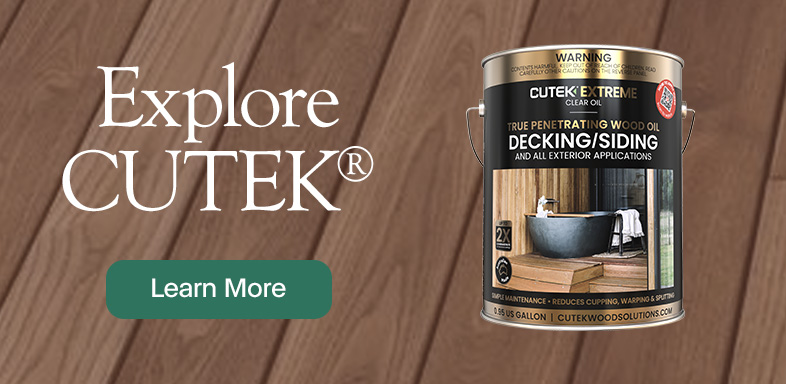
Each board is finished with Cutek Extreme Clear, a penetrating oil engineered to stabilize exterior wood from the inside out. Rather than forming a surface film like paint or varnish, Cutek carries its oils deep into the wood fibers, where they work continuously to slow moisture movement — the primary cause of cupping, checking, and end-splitting. Because the finish penetrates rather than coats, it cannot peel or flake, and maintenance requires no sanding or stripping — just clean the surface and reapply when it looks dry. The clear formulation adds no pigment, allowing the Light Roast's warm caramel tone to show through initially before gradually silvering to a soft gray patina if left unmaintained with a colortone.
Ideal for high-end exterior siding, cladding, soffits, porch ceilings, feature walls, and covered outdoor living spaces where the warmth of a lightly roasted domestic hardwood is preferred over the deeper tones of standard thermally modified ash.
| Spec | Detail |
|---|---|
| Species | White Ash (Fraxinus americana) — thermally modified |
| Product Line | Thermac by Bingaman & Son Lumber |
| Modification Level | Light Roast — lower-temperature thermal modification for lighter tone |
| Origin | Appalachian / Pennsylvania hardwood, USA |
| Modification Process | Heat and steam only, no chemicals; oxygen-deprived kiln for 14–16 hours |
| Finish | Cutek Extreme Clear (penetrating oil) |
| Finish Type | Oil-based, non-film-forming |
| Color | Warm caramel-to-amber brown; consistent through full board thickness |
| Weathering | Silvers to gray patina over time if not maintained with colortone |
| Durability Class | Class 1 ("very durable") per EN 350 |
| Janka Hardness | ~820–1,325 lbf (varies by modification intensity) |
| Dimensional Stability | Radial shrinkage ~0.1–1.0%; tangential ~0.4–1.0% — significantly improved vs. untreated ash |
| Density | ~554 kg/m³ post-modification (roughly 12% lighter than untreated ash) |
| Equilibrium Moisture Content | ~4–6% (vs. 18–22% for untreated ash) |
| Water Absorption | Reduced 60–70% vs. untreated ash |
| Service Life | 25+ years in exterior applications with proper maintenance |
| Fire Rating | Class B/C flame spread achievable (ASTM E84) |
| Applications | Exterior siding, cladding, soffits, porch ceilings, feature walls, decking, trim |
| Fixings | Stainless steel recommended; pre-drilling advised near board ends |
| Maintenance | Clean and re-oil with Cutek Extreme as needed — no sanding or stripping required |
| Sustainability | Domestic hardwood from sustainably managed forests; chemical-free modification |
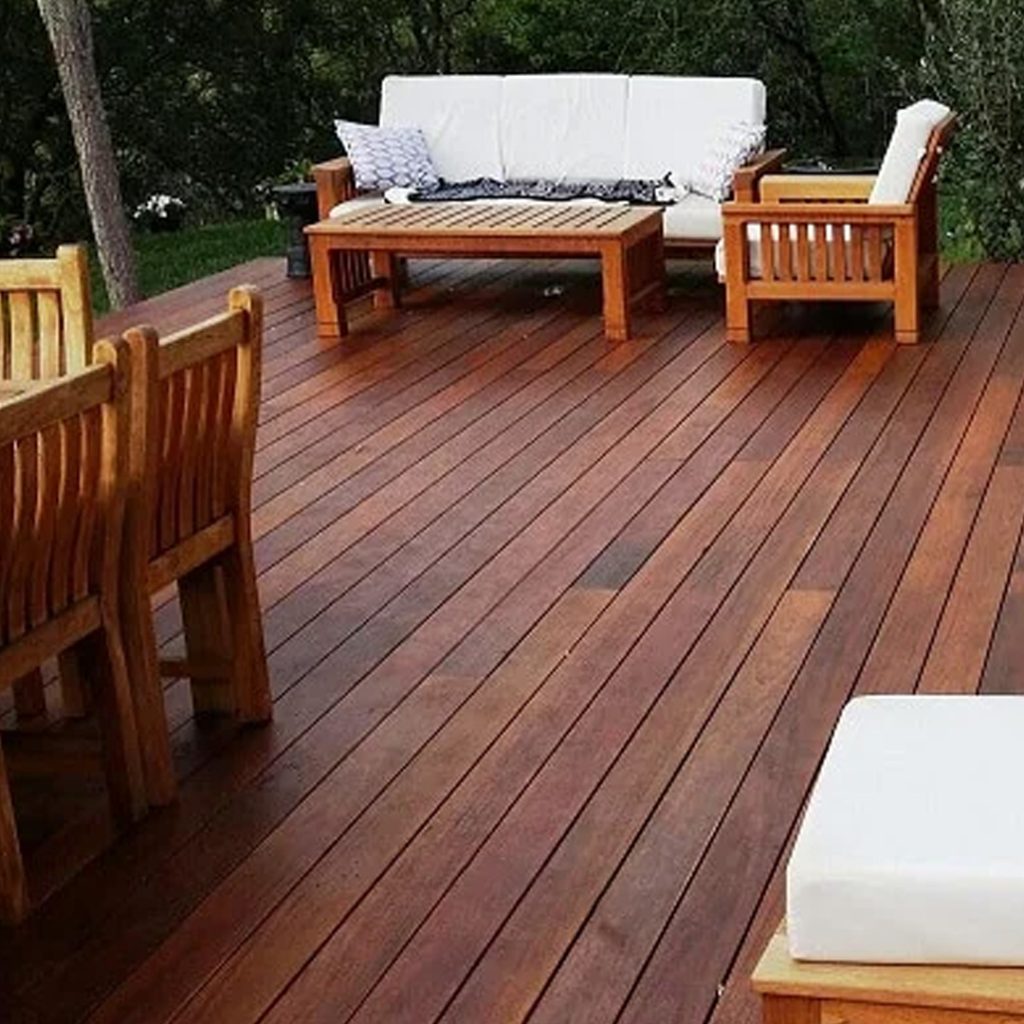
Mason’s Mill stocks a broad selection of hardwood species — from classic domestic favorites to exotic and specialty woods. Each offers unique mechanical and aesthetic qualities to meet your design and performance goals.
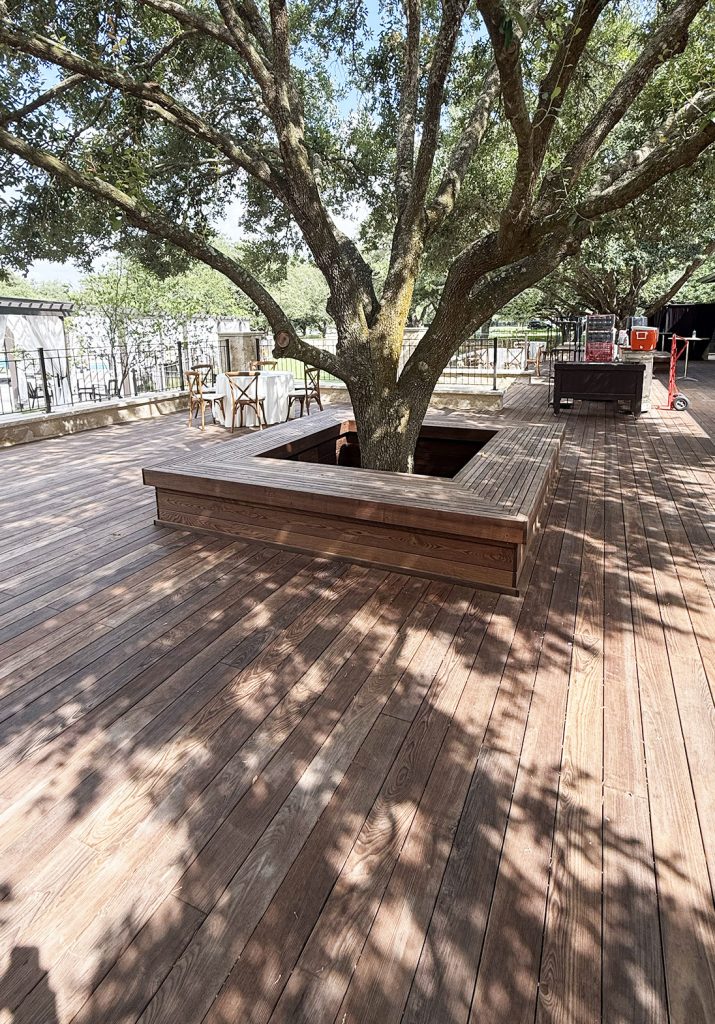
Traditional wood decking offers natural warmth and timeless appeal.
Pressure Treated Lumber
Cost-effective and widely available, treated for rot and insect resistance. Best choice where budget and workability matter.
Cedar & Redwood
Classic softwoods with natural decay resistance that weather beautifully with maintenance.
Exotic Hardwoods (Ipe, Cumaru, Garapa, Machiche)
Dense, long-lasting species with remarkable hardness, natural insect and decay resistance.
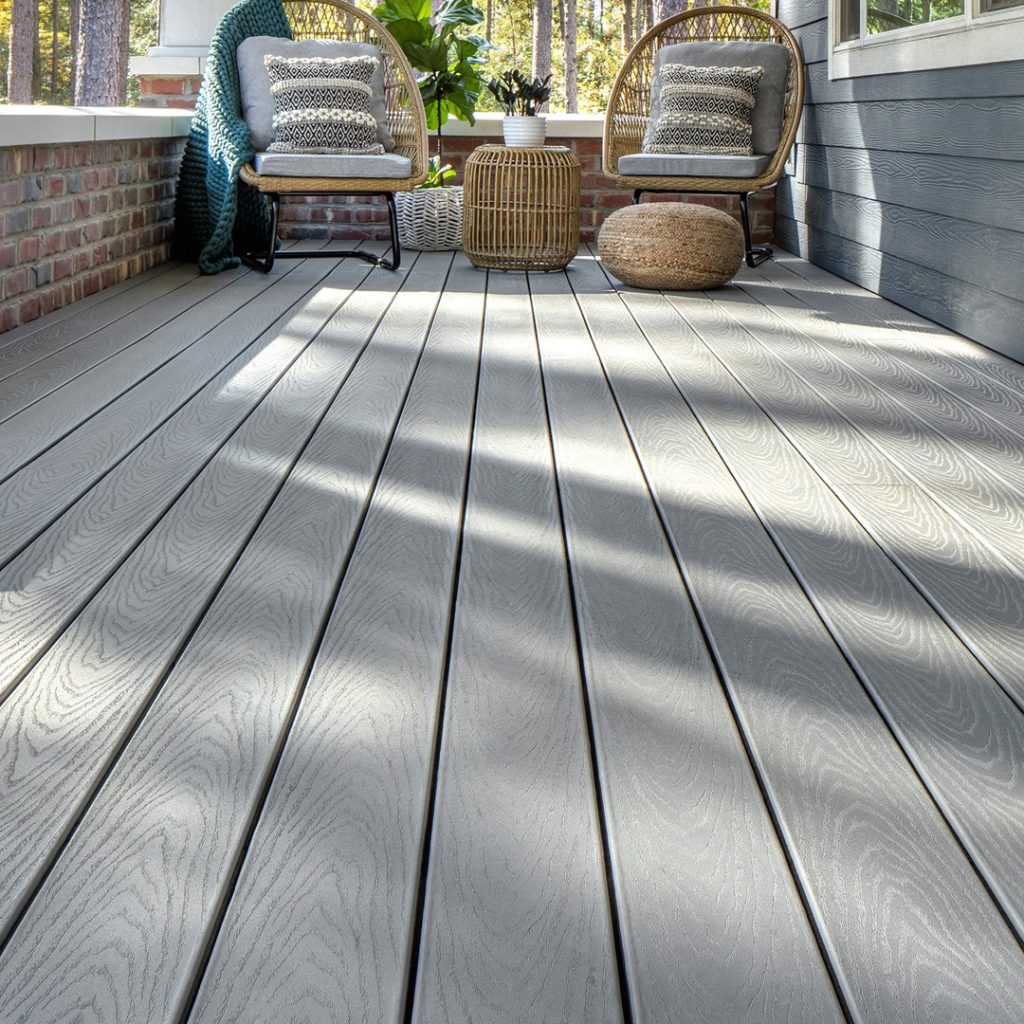
Composite decking blends wood fibers with plastic to create boards that:
Resist moisture, insect attack, and rot
Require minimal staining or refinishing
Offer consistent color and texture across boards
Provide long service life with low upkeep
Because composite decking boards don’t split or crack like traditional wood, they’re popular in climates with high moisture swings or sun exposure.
PVC decking is all-plastic and contains no wood fibers, which means:
Exceptional fade and stain resistance
Near-maintenance-free surfaces
Great performance in coastal or high-moisture climates
PVC boards tend to have lighter weight and very smooth, wipe-clean surfaces, making them a strong choice where performance trumps traditional aesthetics.
A deck is only as good as the parts that hold it together and refine its performance and comfort. Knowing which accessories matter can be the difference between a good deck and a great one.
Quality hardware keeps decking secure and structurally sound.
Hidden Fasteners: Create clean surfaces with no visible screws — ideal for architects and designers who value uninterrupted board lines.
Deck Screws & Structural Fasteners: Essential for framing, railings, and secure fastenings. Corrosion-resistant options ensure long life.
Joist Hangers, Post Bases, Brackets: Critical for strength, safety, and compliance with building codes.
Proper flashing tape and protective barriers help prevent water intrusion at joist, ledger, and beam connections — a key strategy for extending the life of any deck.
The best decking material depends on exposure, design intent, and maintenance expectations. Hardwood decking offers unmatched strength and natural character. Composite decking provides consistent performance with minimal upkeep. PVC decking delivers maximum moisture resistance and long-term color stability. We help architects and builders choose the right system based on climate, usage, and design goals.
Wood decking is a natural material with organic grain and texture that ages beautifully when maintained. Composite decking blends wood fibers and polymers for durability and reduced maintenance. PVC decking contains no wood at all, making it highly resistant to moisture, staining, and fading — ideal for harsh or coastal environments.
Yes. Dense hardwood species like Ipe, Cumaru, and Garapa are naturally resistant to rot, insects, and moisture, allowing them to outlast pressure-treated lumber when properly installed and maintained. They are commonly used in high-end residential and commercial projects where long-term performance matters.
Cutek is a penetrating oil system designed to protect wood from the inside out. It stabilizes moisture movement within the board, helping prevent checking, splitting, cupping, and warping while enhancing natural color. When used on hardwood or softwood decking, Cutek significantly extends service life and reduces maintenance over time.
Absolutely. Many architects specify composite and PVC decking for commercial terraces, multi-family buildings, and modern residential designs because of their clean lines, consistent appearance, and long-term performance. These materials are especially effective where moisture exposure, high traffic, or minimal maintenance is required.
Fasteners, flashing, joist protection, and railing systems all play a major role in deck longevity. Hidden fasteners improve aesthetics, while proper flashing and moisture barriers protect the structure beneath the surface. Mason’s Mill supplies the systems that ensure your deck performs as well as it looks.
No. When properly specified and installed, hidden fastening systems provide excellent holding power while creating a clean, uninterrupted deck surface. They are widely used in both wood and composite decking systems for architectural and high-end residential projects.
Climate plays a major role in material selection. Hardwood and pressure-treated lumber perform well in many environments when protected with products like Cutek. Composite and PVC decking excel in areas with high humidity, frequent rain, or intense sun exposure. Our team helps evaluate site conditions to ensure the best material choice.
Yes. Many of our hardwood decking species are also used in interior millwork, flooring, and wall cladding, allowing for seamless indoor–outdoor transitions — a design strategy frequently used in modern architecture.
We do. Our team works closely with architects, builders, and designers to assist with species selection, milling, finishing, and system coordination — ensuring the materials you specify perform exactly as intended in the field.
Let’s start your deck project today!