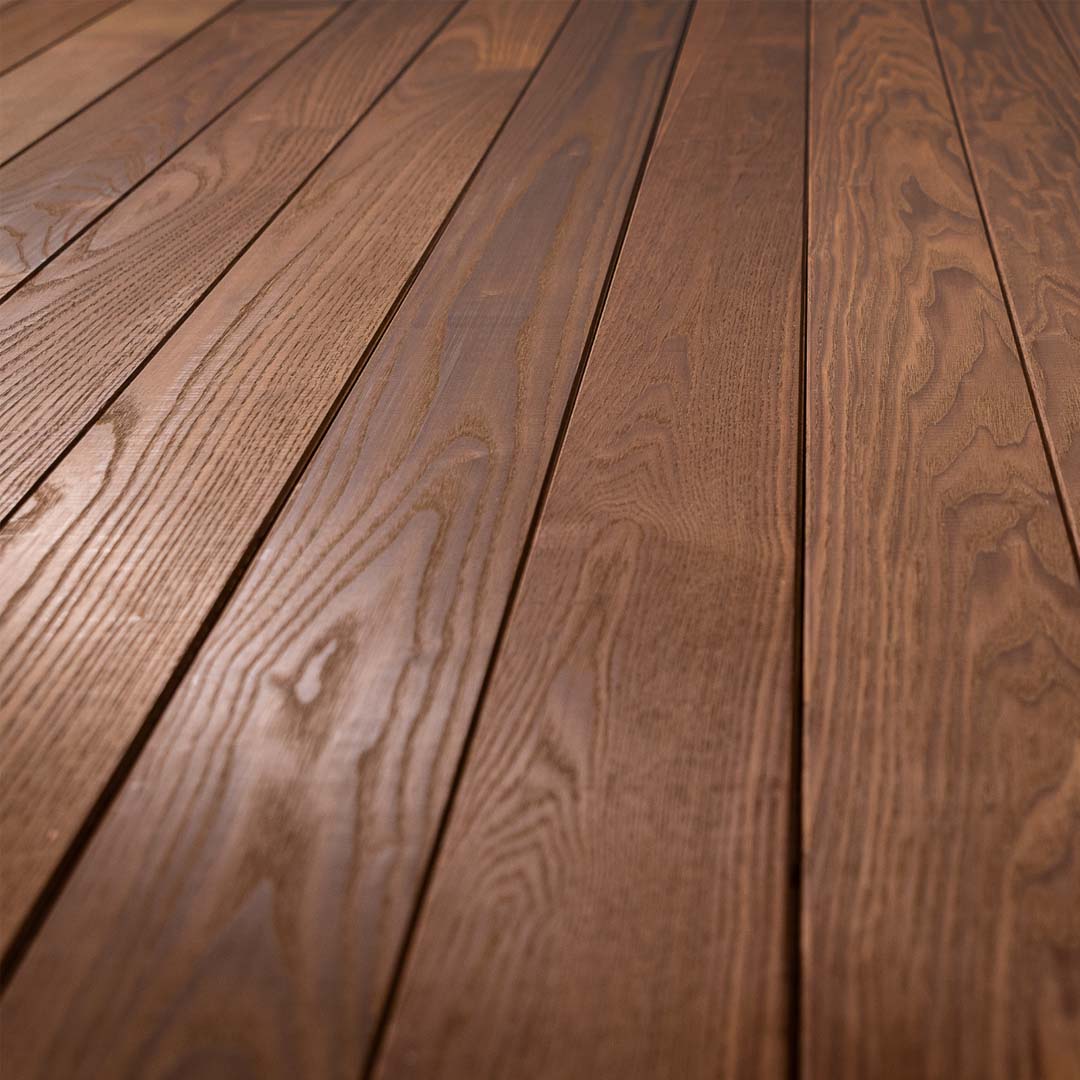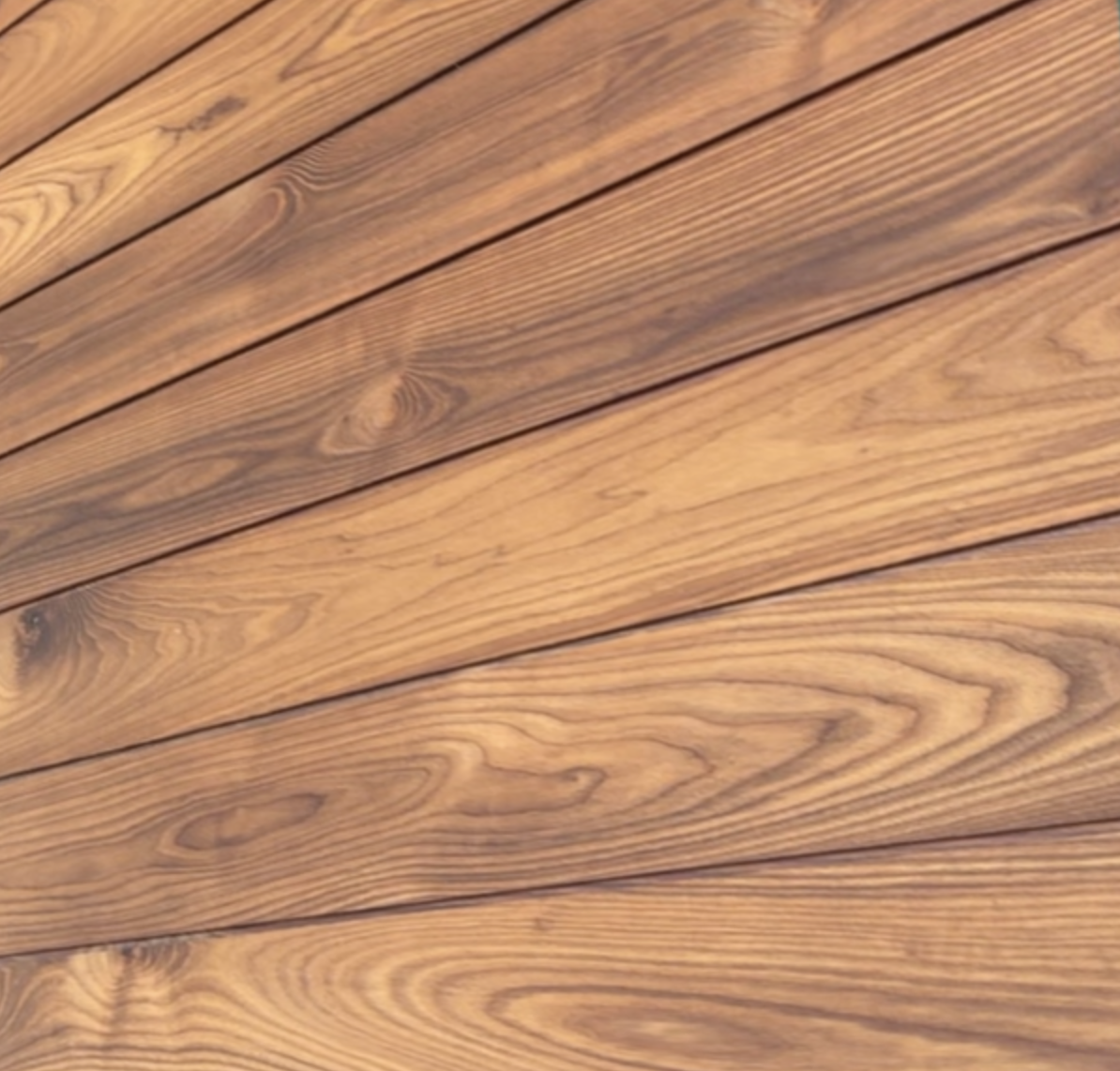
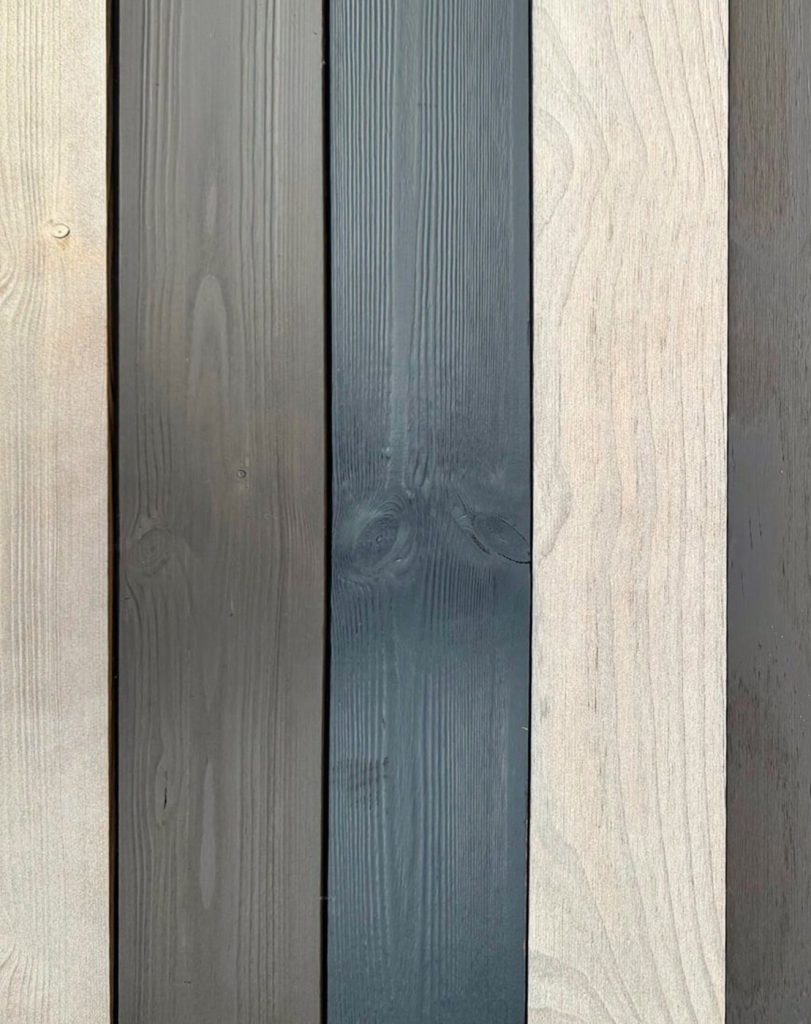
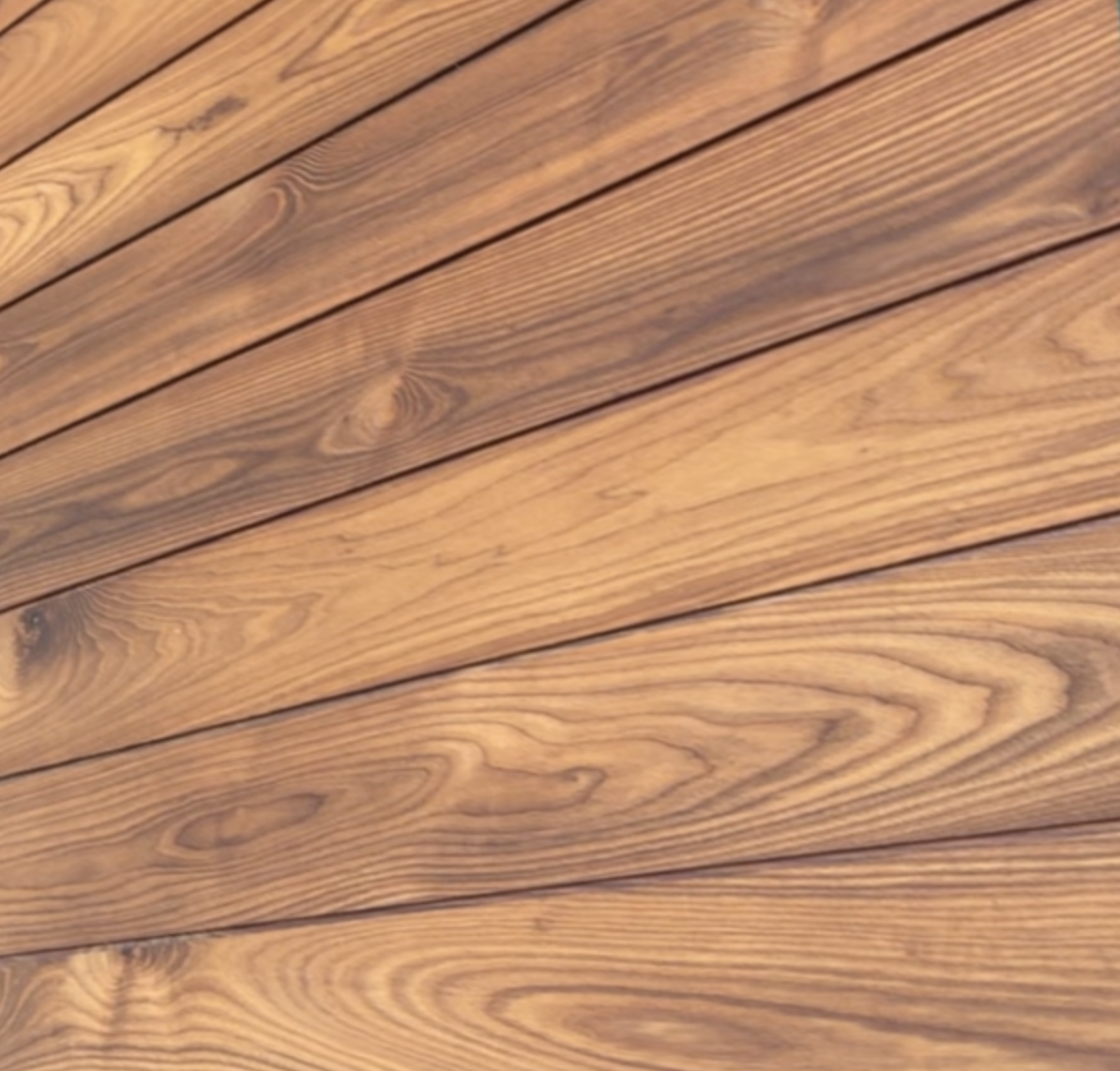
Thermac Ash Dark Roast is a thermally modified White Ash produced by Bingaman & Son Lumber from responsibly managed Appalachian and Pennsylvania forests. Like all Thermac products, the wood is transformed through a chemical-free process using only heat and steam — no chemicals, plastics, or additives — sustained in an oxygen-deprived kiln for 14–16 hours. The "Dark Roast" designation refers to a higher peak modification temperature, driving the wood to a deep, rich chocolate-brown tone that runs consistently through the entire board — not just on the surface. Because the color is a product of molecular caramelization rather than pigment or stain, the color cannot chip, scratch off, or reveal a lighter tone underneath: whenever the board is milled, cut, sanded, or worn, the same dark brown color remains.
The deeper thermal modification also pushes performance to its peak. Independent testing per EN 350 rates thermally modified ash at Durability Class 1 ("very durable"), on par with tropical hardwoods like teak and ipe, with an expected exterior service life of 25+ years when properly maintained. The high-temperature process breaks down the sugars and hemicellulose that fungi and insects feed on, and dramatically reduces the wood's ability to absorb moisture — cutting water absorption by 60–70% and dropping equilibrium moisture content to just 4–6% (versus 18–22% for untreated ash). This translates to radial and tangential movement under 1%, virtually eliminating the cupping, warping, and seam-opening that plague untreated ash in exterior use.
Each board is finished with CUTEK® Extreme Clear, a penetrating oil engineered to stabilize exterior wood from the inside out. Rather than forming a surface film like paint or varnish, CUTEK® carries its oils deep into the wood fibers, where they work continuously to slow moisture movement — the primary driver of cupping, checking, and end-splitting. Because the finish penetrates rather than coats, it cannot peel or flake, and maintenance requires no sanding or stripping — just clean the surface and reapply when it looks dry. The clear formulation adds no pigment, allowing the Dark Roast's deep chocolate-brown tone to show through initially before gradually silvering to a soft gray patina if left unmaintained with a colortone.
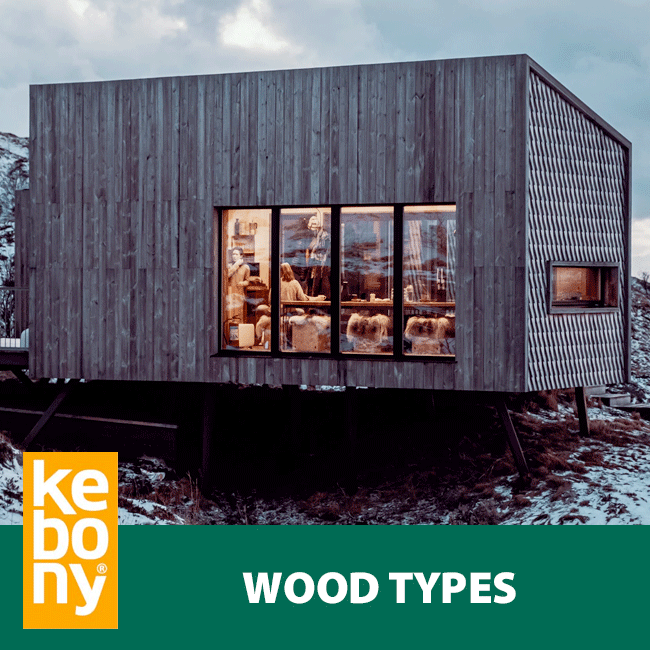
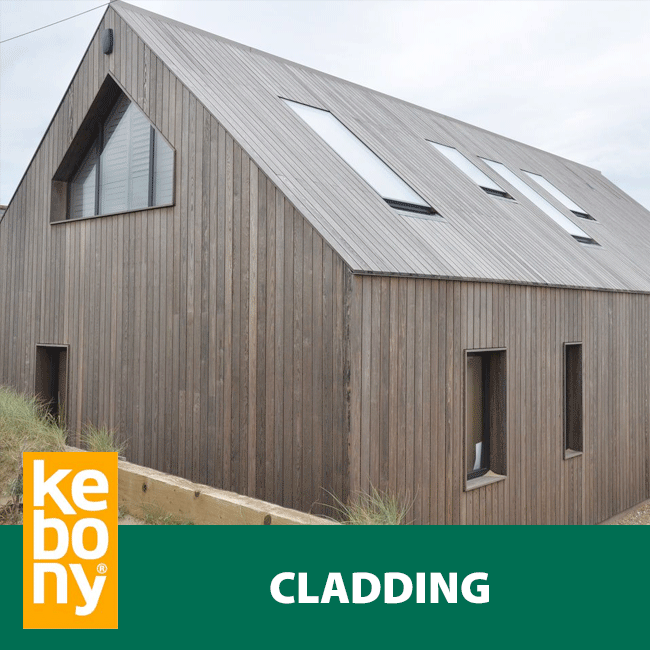
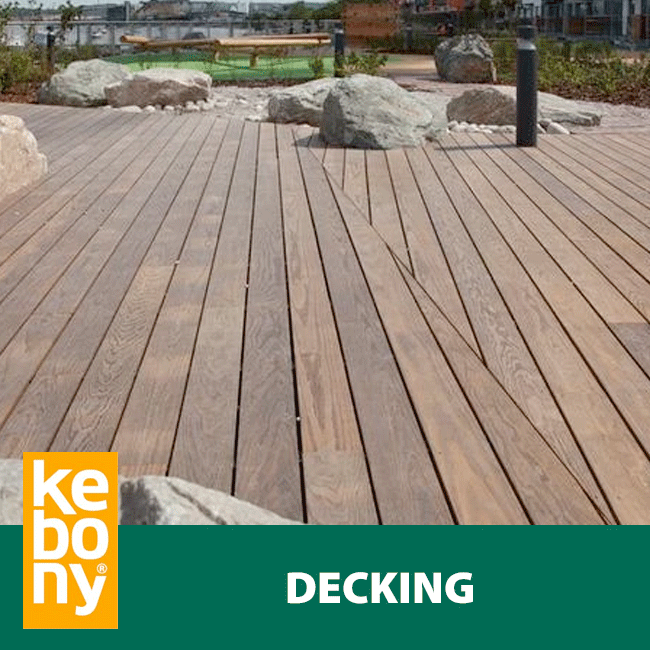
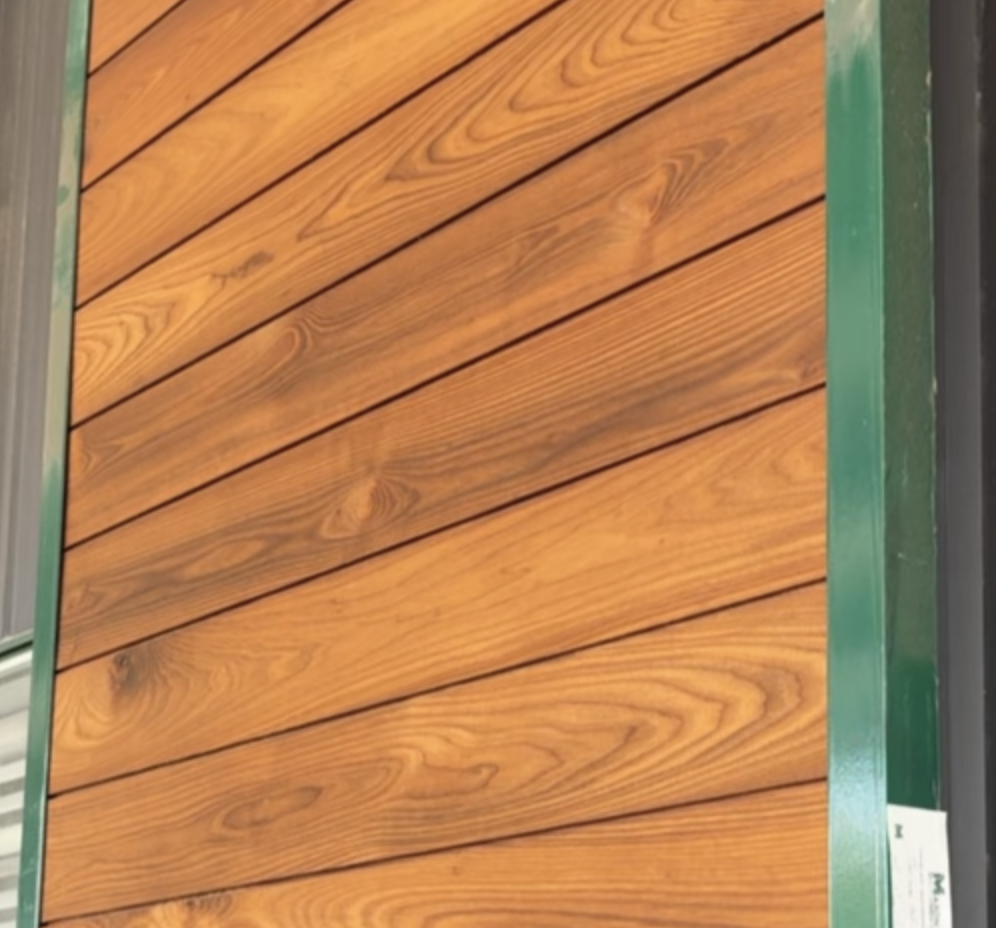
Ideal for high-end architectural siding, cladding, soffits, porch ceilings, feature walls, decking, and covered outdoor living spaces where a rich, dramatic dark-wood aesthetic is desired — offering the look of exotic tropical hardwoods with the sustainability of a domestic species.
| Spec | Detail |
|---|---|
| Species | White Ash (Fraxinus americana) — thermally modified |
| Product Line | Thermac by Bingaman & Son Lumber |
| Modification Level | Dark Roast — higher-temperature thermal modification for deeper color and maximum durability |
| Origin | Appalachian / Pennsylvania hardwood, USA |
| Modification Process | Heat and steam only, no chemicals; oxygen-deprived kiln for 14–16 hours at ~400°F |
| Finish | CUTEK® Extreme Clear (penetrating oil) |
| Finish Type | Oil-based, non-film-forming |
| Color | Deep, rich chocolate brown; consistent through full board thickness (not a surface stain) |
| Weathering | Silvers to gray patina over time if not maintained with colortone |
| Durability Class | Class 1 ("very durable") per EN 350 |
| Janka Hardness | ~820–1,325 lbf |
| Dimensional Stability | Radial shrinkage ~0.1–1.0%; tangential ~0.4–1.0% — significantly improved vs. untreated ash |
| Density | ~554 kg/m³ post-modification (roughly 12–20% lighter than untreated ash) |
| Equilibrium Moisture Content | ~4–6% (vs. 18–22% for untreated ash) |
| Water Absorption | Reduced 60–70% vs. untreated ash |
| Service Life | 25+ years in exterior applications with proper maintenance |
| Fire Rating | Class B/C flame spread achievable (ASTM E84) |
| Applications | Exterior siding, cladding, soffits, porch ceilings, feature walls, decking, trim, high-end architectural millwork |
| Fixings | Stainless steel recommended; pre-drilling advised near board ends |
| Maintenance | Clean and re-oil with Cutek Extreme as needed — no sanding or stripping required |
| Sustainability | Domestic hardwood from sustainably managed forests; chemical-free modification; sustainable alternative to tropical hardwoods |