Mason’s Mill & Lumber supplies a wide selection of milled and surfaced lumber for cabinetry, furniture, architectural millwork, and custom woodworking projects. From S2S and S3S hardwoods to S4S dimensional lumber, our Houston mill provides consistent surfaces, accurate dimensions, and a variety of wood species to meet your project’s needs.
The right lumber starts with the right milling. Surfaced lumber goes through a machining process that creates smoother faces, more consistent dimensions, and easier preparation for woodworking and millwork applications. Depending on your project, you may need two, three, or all four sides surfaced.
At Mason’s Mill & Lumber, we offer S2S, S3S, and S4S lumber in a variety of domestic hardwoods, select imported species, and specialty wood products. With our in-house milling capabilities, we can help you choose the right surface preparation, species, and dimensions for your next project.
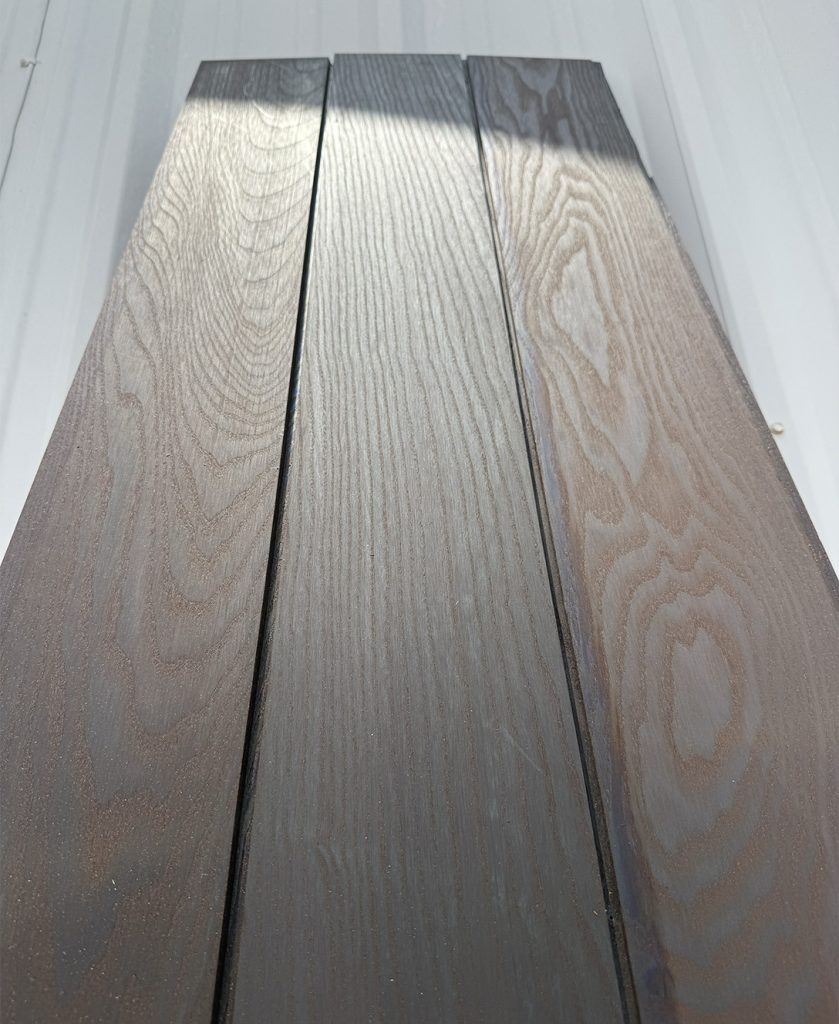
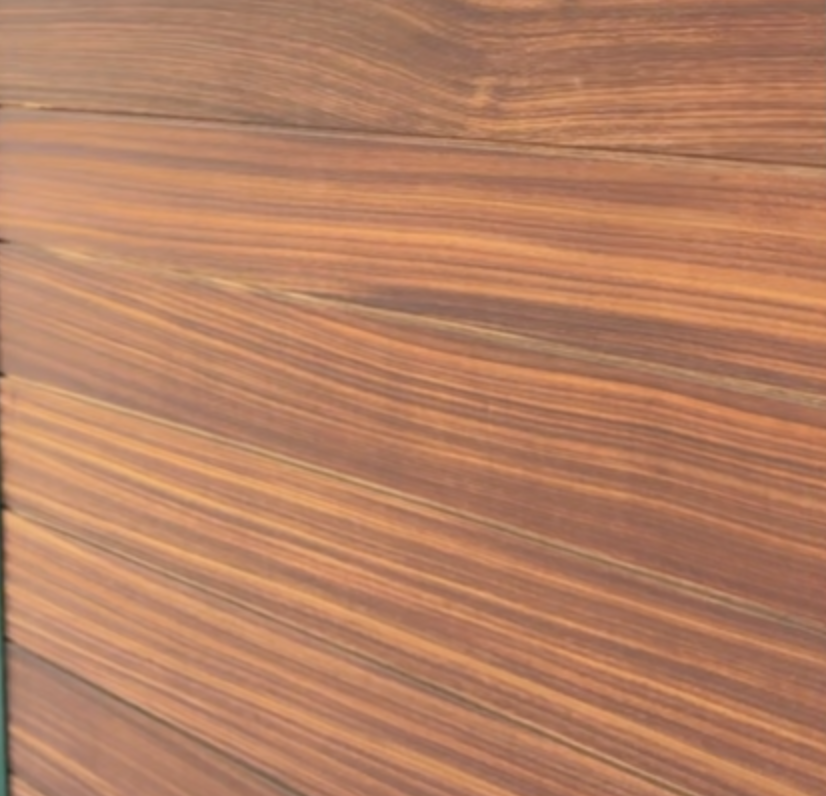
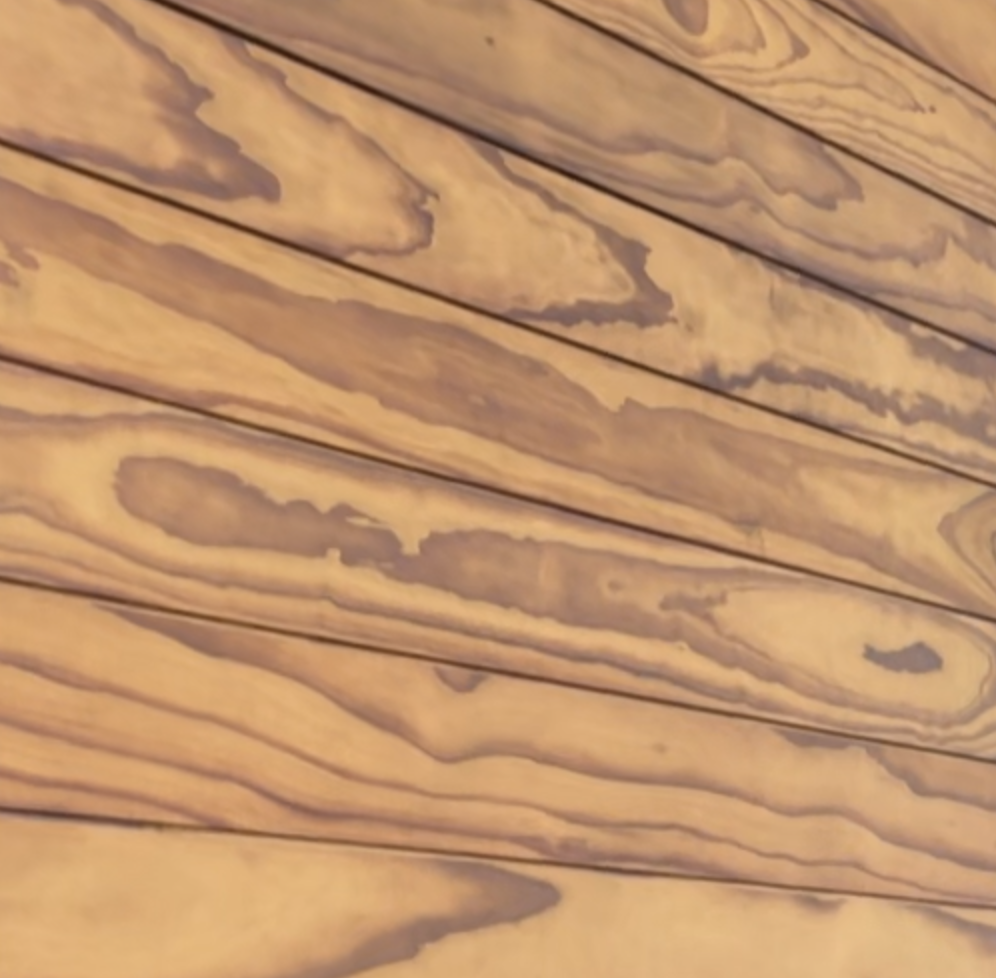
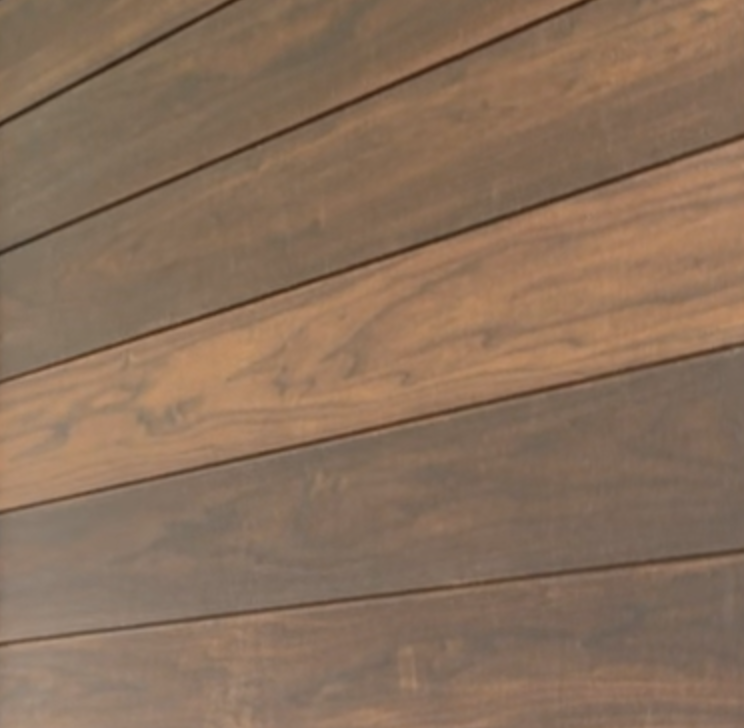
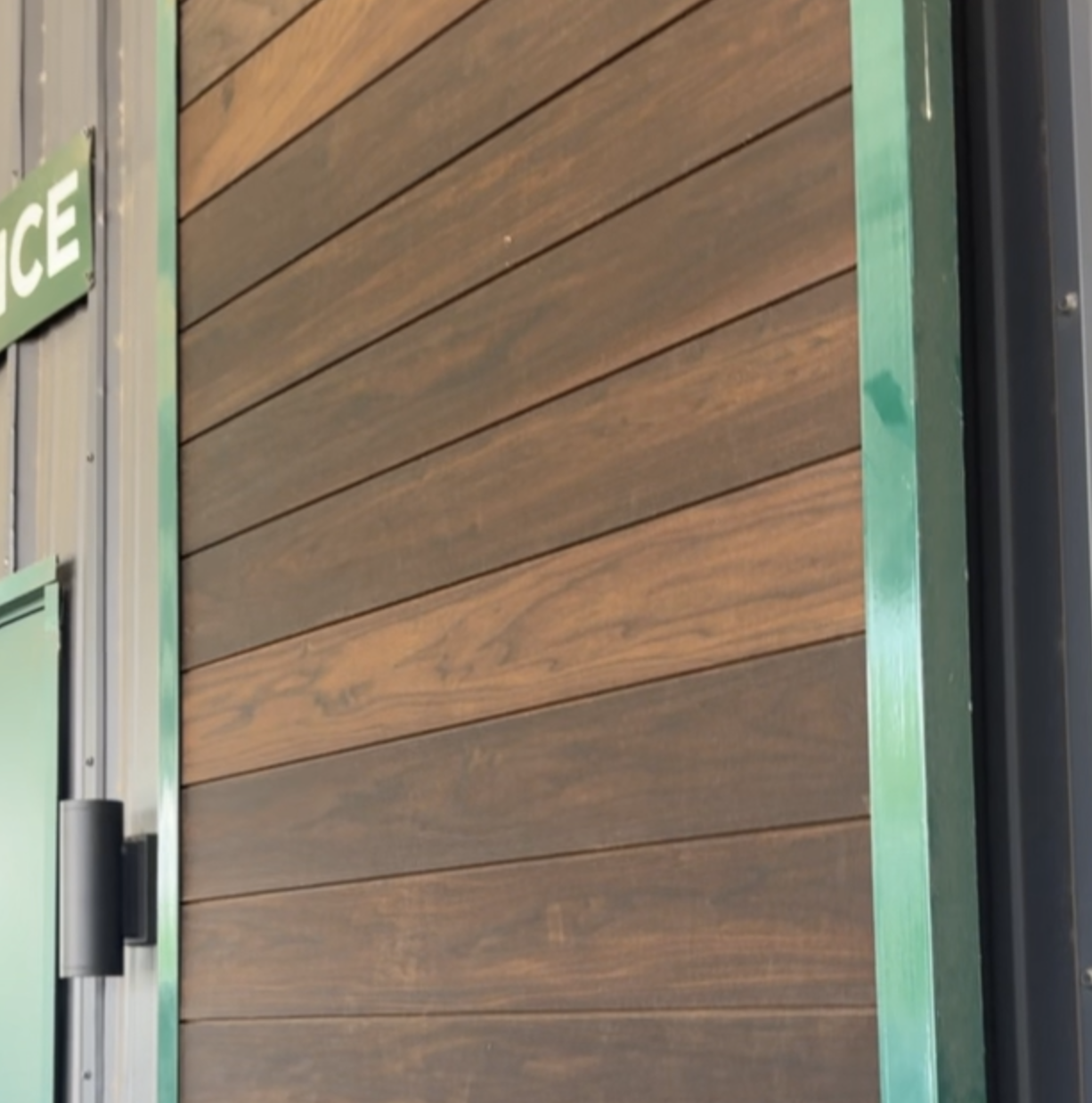
Thermac Poplar is a thermally modified Appalachian hardwood produced by Bingaman & Son Lumber from native Pennsylvania yellow poplar. Using only heat and steam — no chemicals, plastics, or additives — the wood is heated in a low-oxygen environment to fundamentally alter its cell structure. This process removes the sugars and moisture that fungi and insects need to survive, while permanently reducing the wood's ability to absorb water. The result is a stable, rot-resistant hardwood with a warm, chocolate-brown color that runs consistently through the entire board, not just the surface.
Yellow poplar is particularly well-suited to thermal modification: it's a domestically abundant, fast-growing hardwood that emerges from the process with excellent dimensional stability, a smooth grain, and a rich color that rivals more exotic species. Independent testing on thermally modified yellow poplar has demonstrated Durability Class 1 ("very durable") performance against wood-destroying fungi, placing it in the same durability tier as many tropical hardwoods.
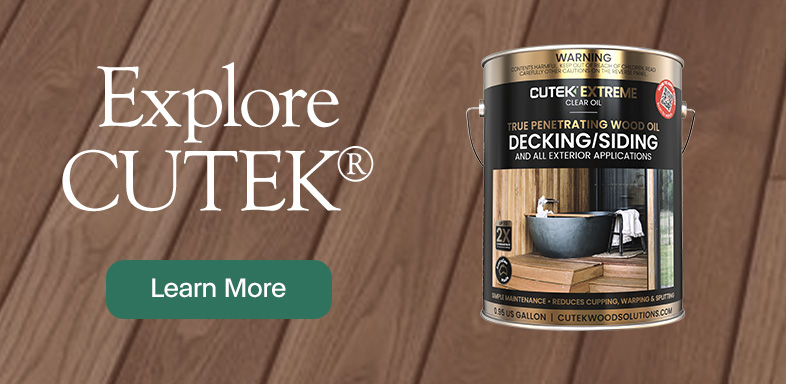
Each board is finished with CUTEK® Extreme Clear, a penetrating oil that migrates deep into the wood fibers rather than forming a surface film. CUTEK®'s core function is dimensional stabilization — it works from inside the board to slow moisture movement, which is what causes cupping, checking, and end-splitting in exterior wood. Because the finish penetrates rather than coats, it cannot peel or flake, and maintenance requires no sanding or stripping — just clean the surface and re-apply when it looks dry. The clear formulation adds no pigment, so the poplar's natural thermally-modified brown will show through initially and gradually transition to a silver-gray patina if left unmaintained with a colortone.
Ideal for exterior siding, soffits, porch ceilings, cladding, and covered outdoor applications where a domestic hardwood with contemporary durability is desired.
| Spec | Detail |
|---|---|
| Species | Yellow Poplar (Liriodendron tulipifera) — thermally modified |
| Product Line | Thermac by Bingaman & Son Lumber |
| Origin | Appalachian / Pennsylvania hardwood |
| Modification | Thermal modification — heat and steam only, no chemicals |
| Finish | Cutek Extreme Clear (penetrating oil) |
| Finish Type | Oil-based, non-film-forming |
| Color | Rich chocolate brown, consistent through the full board |
| Weathering | Silvers to gray patina over time if not maintained with colortone |
| Durability Class | Class 1 ("very durable") when tested per EN 350 standards |
| Janka Hardness | ~500–615 lbf (thermally modified yellow poplar) |
| Dimensional Stability | Significantly improved vs. untreated poplar; tangential/radial movement ~1.1–1.2% |
| Service Life | Designed for up to 25 years in exterior applications |
| Applications | Exterior siding, soffits, porch ceilings, cladding, covered outdoor living, trim |
| Maintenance | Clean and re-oil with CUTEK® Extreme as needed — no sanding or stripping required |
| Sustainability | Domestic, fast-growing hardwood; chemical-free modification process |
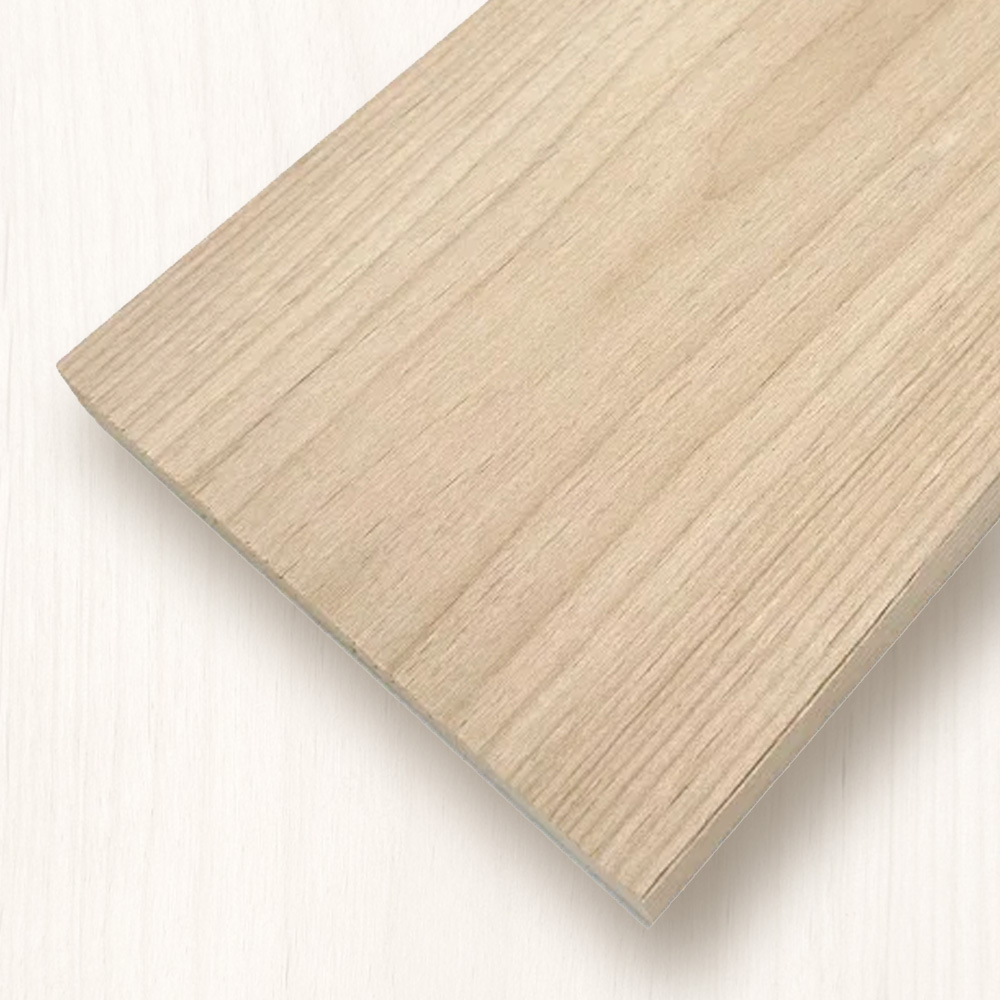
A working milled-lumber inventory for cabinet shops, custom builders, millwork specifiers, and finish carpenters. The terms S2S, S3S, and S4S describe how many sides of a board have been surfaced during the milling process. Each option offers different advantages depending on the amount of additional machining required, the desired dimensions, and how the lumber will be used.
S4S | Surfaced Four Sides
Lumber surfaced on both faces and both edges, providing a consistent, finished dimension with less additional preparation.
S3S | Surfaced Three Sides
Lumber surfaced on both faces and one edge, providing a straight reference edge for further processing.
S2S | Surfaced Two Sides
Lumber planed on both broad faces while leaving the edges unfinished for additional sizing and milling.
We built the milling program around the projects we already supply. That means the S4S stock, S3S random-width, and custom profiles on our rack are the same ones we quote alongside your hardware package from Blum®, King Slide®, or CGS, your CUTEK® finish system, and your Thermory® or Accoya® exterior wood package.
Send us the cut list, the drawing, or the sample. We’ll match species, mill to spec, and bundle lumber, hardware, and finish into one quote — one point of contact, one delivery, one invoice.
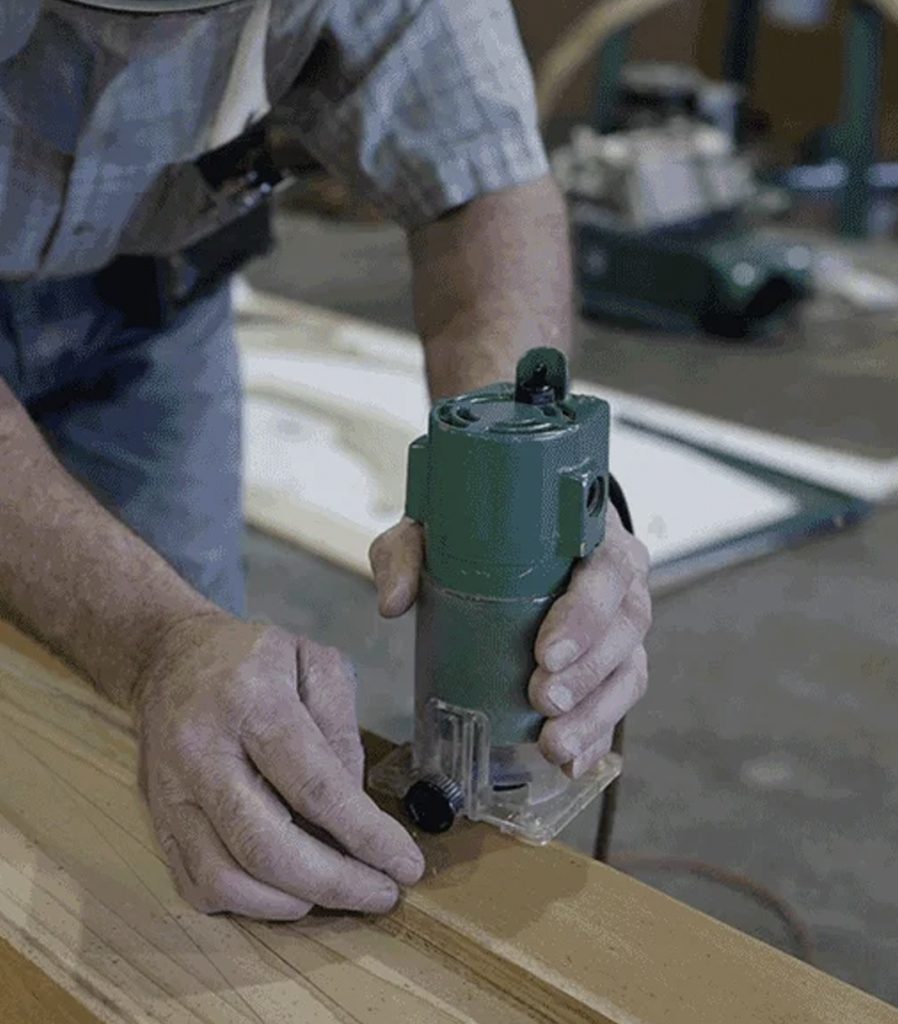
Not every project works with standard dimensional lumber. Mason’s Mill & Lumber provides custom milling services for projects requiring specific dimensions, specialty profiles, and additional surface preparation. Our in-house milling capabilities allow us to work with a wide range of hardwoods, softwoods, and modified wood products.
Whether you need surfaced lumber prepared for cabinetry, custom mouldings, architectural trim, or specialty millwork, our team can review your drawings, material requirements, and quantities to help determine the right milling approach.
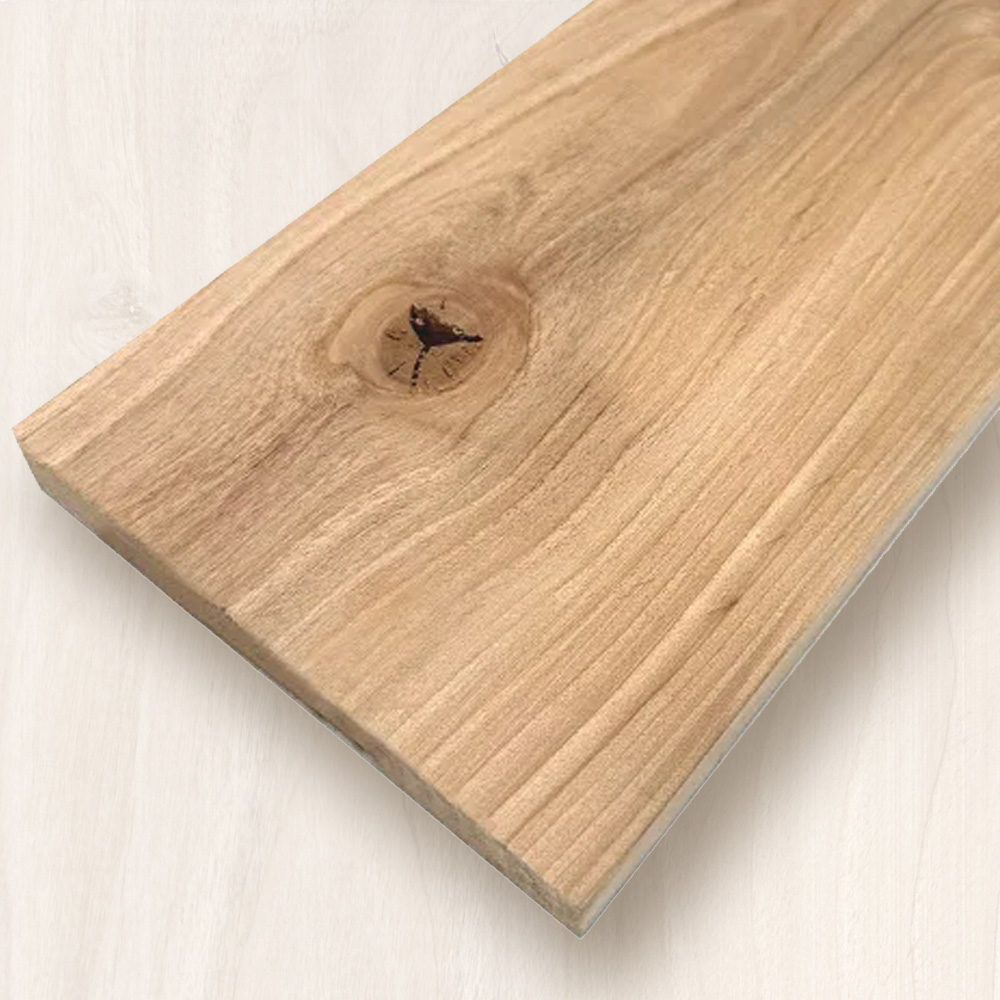
S2S stands for Surfaced Two Sides. This means both broad faces of the board have been planed while the edges remain unfinished. S2S lumber is commonly used for projects requiring additional cutting, ripping, or custom milling.
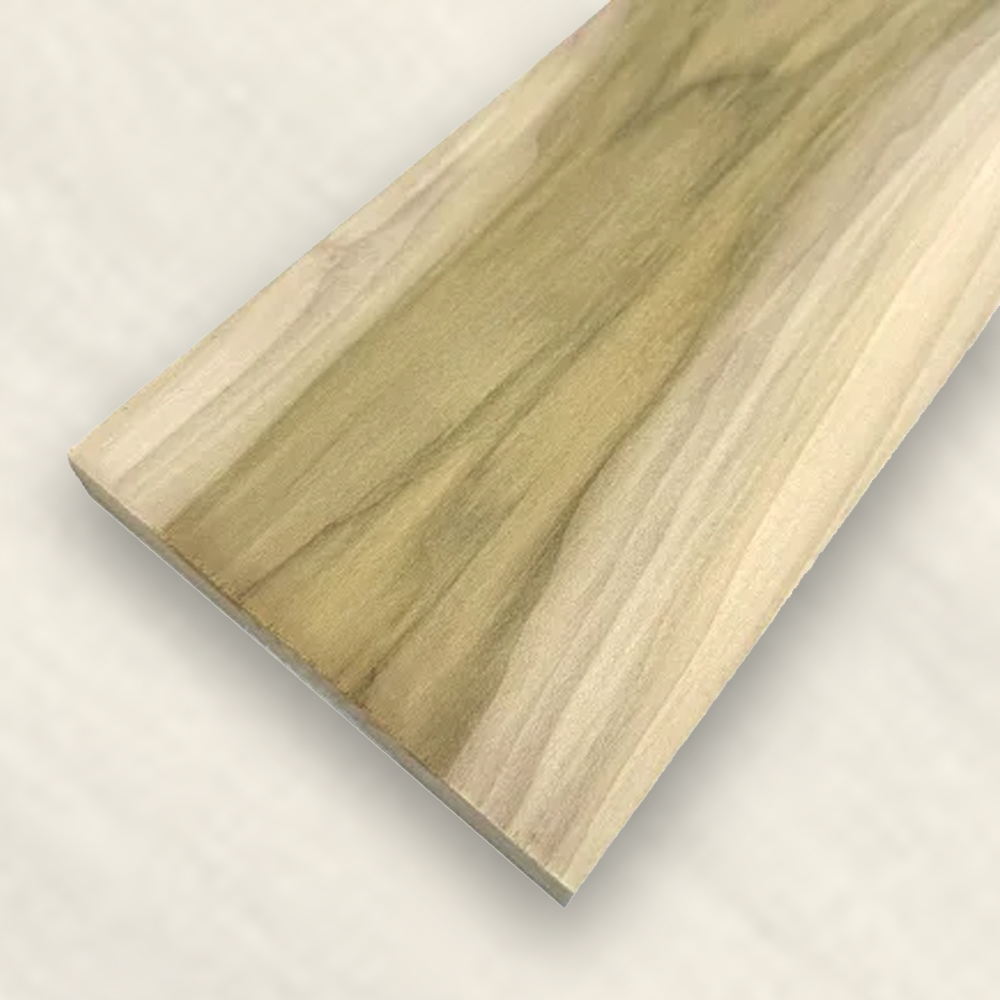
S3S stands for Surfaced Three Sides. The board has two surfaced faces and one straight, surfaced edge. The remaining edge is left unfinished, allowing woodworkers to cut the board to their desired width.
S4S stands for Surfaced Four Sides. All four sides of the board have been planed to provide smooth surfaces, straight edges, and consistent dimensions. S4S lumber is commonly used for cabinetry, furniture, trim, and architectural millwork.
Both can be used for cabinetry. S3S lumber provides flexibility for cutting boards to custom widths, making it useful for cabinet shops handling their own machining. S4S lumber requires less additional preparation and is a convenient option when standard dimensions meet the project's needs.
Rough lumber retains its sawmill surface and typically requires additional machining before use. Surfaced lumber has been planed on two or more sides, providing smoother surfaces and more consistent dimensions. The right option depends on your project's milling capabilities and material requirements.
Not necessarily. Nominal lumber dimensions are used to identify common board sizes, while actual dimensions reflect the finished measurements after milling. For example, a nominal 1-inch board is typically thinner after surfacing. Actual dimensions can vary by product, species, and milling specifications, so confirm measurements before ordering.
Yes. Mason's Mill & Lumber offers custom milling services for projects requiring specific dimensions, specialty profiles, or additional surface preparation. Contact our sales team with your species, dimensions, quantities, and project requirements to discuss available options.
Mason's Mill & Lumber supplies S2S, S3S, and S4S lumber from its Houston, Texas location. We work with cabinet shops, architects, builders, contractors, and woodworking professionals throughout the Houston area and beyond.