
Preserving Galveston

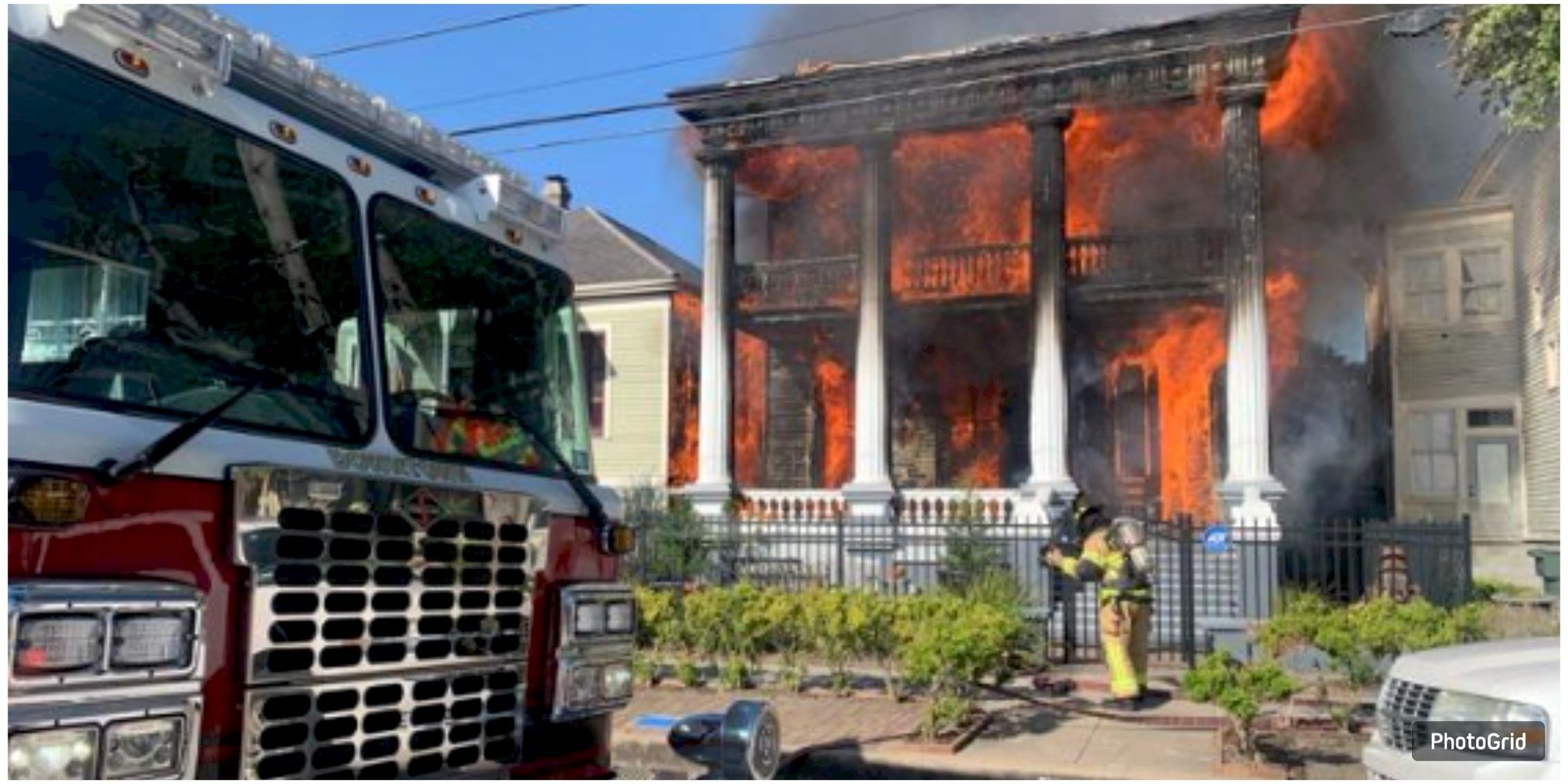
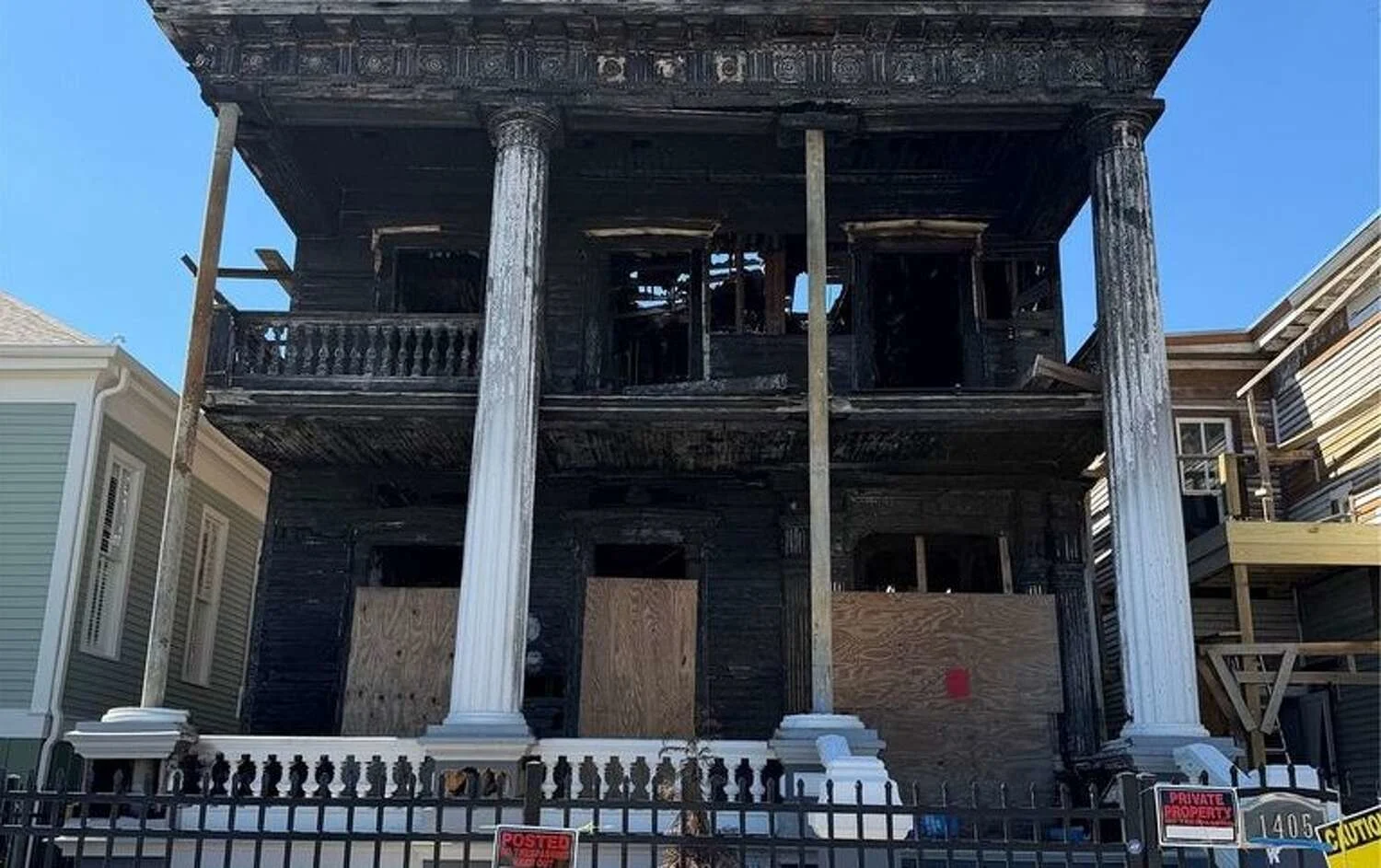
On April 12, 2025, fire swept through three historic homes in Galveston’s Silk Stocking Historic District. The damage was devastating — not just structurally, but for a neighborhood listed on the National Register of Historic Places and considered one of the finest collections of 19th-century architecture in Texas. One of the homes most severely affected was the Goldthwaite-Viser House on 24th Street, a property with roots stretching back to the earliest days of Galveston’s rise as one of America’s most prosperous cities.
But where fire leaves a scar, determination follows. Victor and Sandra Viser were committed to restoring their home to its original Greek Revival architectural detail — and that commitment led them to Mason’s Mill & Lumber, where a partnership began that would produce custom architectural millwork no one else in Texas could provide.
The story of the Goldthwaite-Viser House begins with one of Galveston’s most storied families and one of America’s most accomplished 19th-century architects.
The home’s origins are tied to the 1857 George Ball House, the prominent residence built for Galveston businessman George Ball on the Rosenberg plat. The Goldthwaite-Viser House was originally the L-shaped wing of that larger Ball House complex. After the catastrophic Great Storm of 1900 and the subsequent city-wide grade-raising effort, the Ball House was split into two separate residences and relocated — the Goldthwaite-Viser House arriving at its current 24th Street site in 1902.
It was Mary Ella Willis, who married Joseph Goldthwaite, a member of one of Galveston’s most prominent families, who commissioned the redesign of this section of the home. And for that commission, she turned to the most celebrated architect in Galveston: Nicholas Clayton.
Clayton was the defining architectural voice of Gilded Age Galveston. An Irish-born craftsman trained in Cincinnati and New Orleans, Clayton arrived in Galveston in 1872 and went on to reshape the city’s skyline with a prolific body of work that remains unmatched in Texas. Among his most celebrated buildings are the Bishop’s Palace, Sacred Heart Church, and the Ursuline Convent. While his career spanned the Victorian era, Clayton was equally masterful in the Greek Revival tradition — and the Goldthwaite-Viser House stands as one of the finest expressions of that mastery.
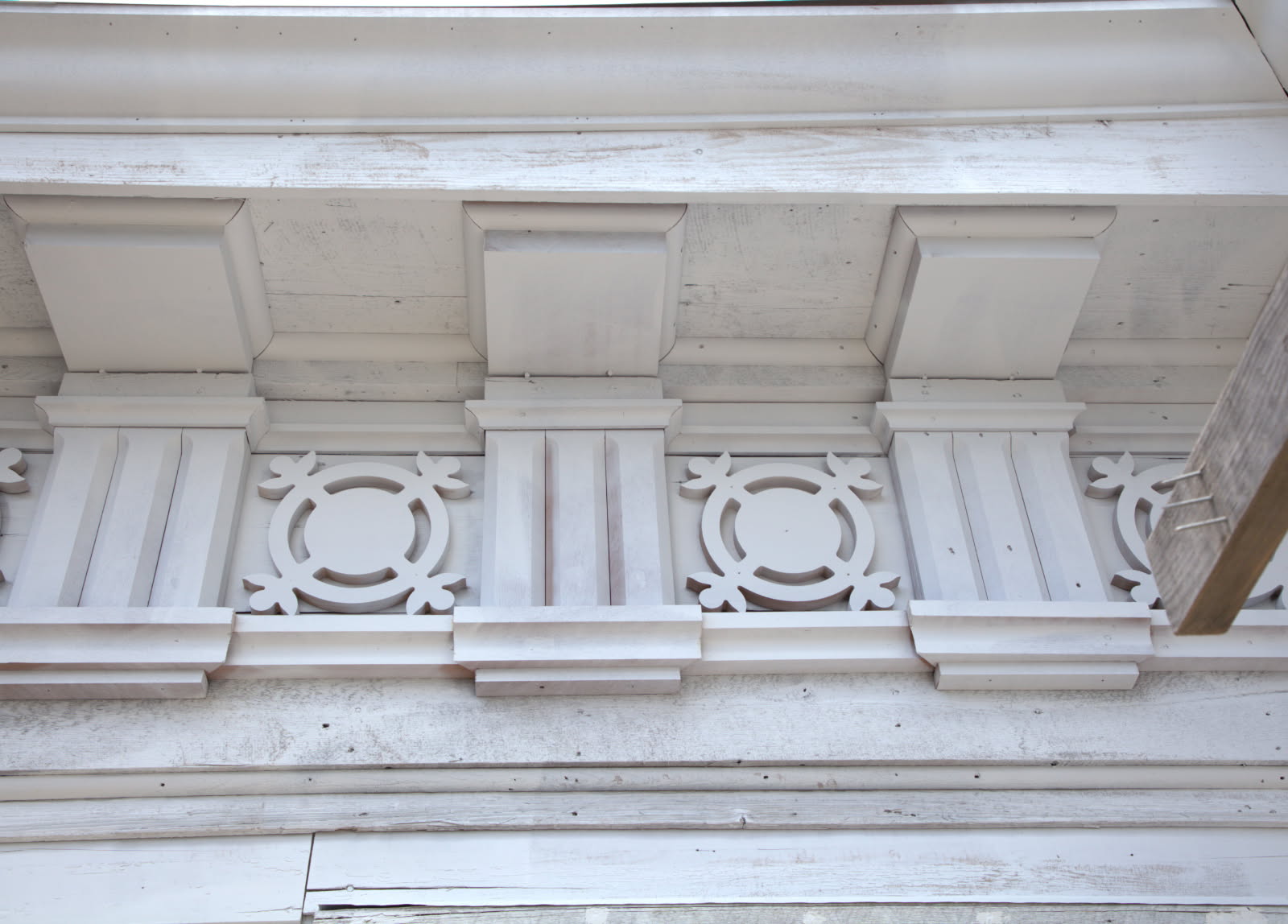
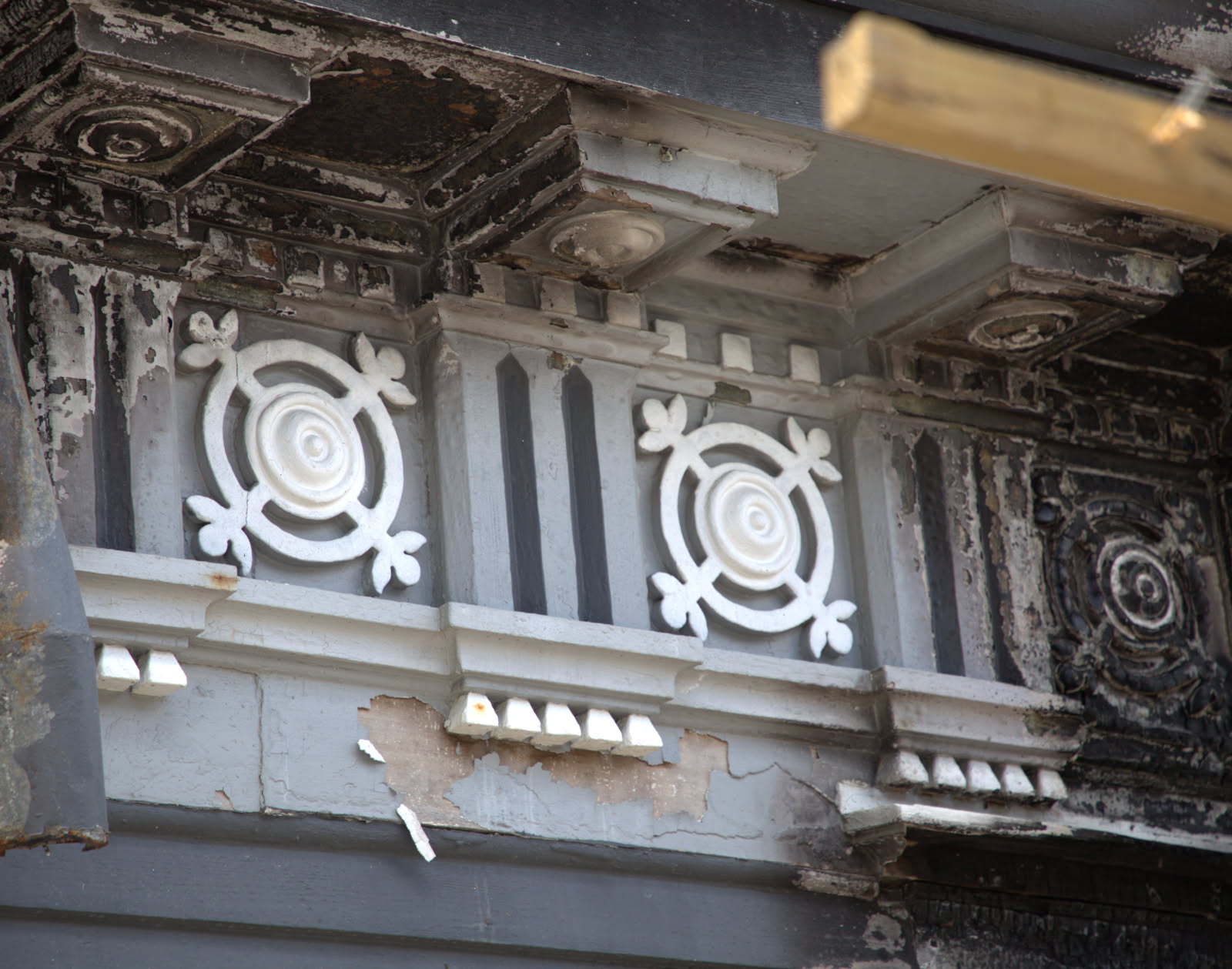
The home’s architecture is unmistakably Greek Revival. Its defining features — the full-height classical columns, the ornate frieze running the length of the roofline, the repeating rosette medallions, bullet moldings, dentil courses, and precisely layered cornice profiles — are hallmarks of the Greek Revival style that Clayton brought to life with extraordinary refinement. Every detail speaks to a tradition of architectural craftsmanship that traces its roots back centuries, rendered here with the skill of one of America’s great 19th-century architects.
The April 2025 fire caused extensive damage to the home. But Victor and Sandra Viser were undeterred. They committed to a full restoration to the home’s original Greek Revival detail — the first such restoration since the home was moved to this site over 120 years ago. The result of that effort is now officially recognized: the property bears the name the Goldthwaite-Viser House, honoring both the family who originally shaped it and the family restoring it today.
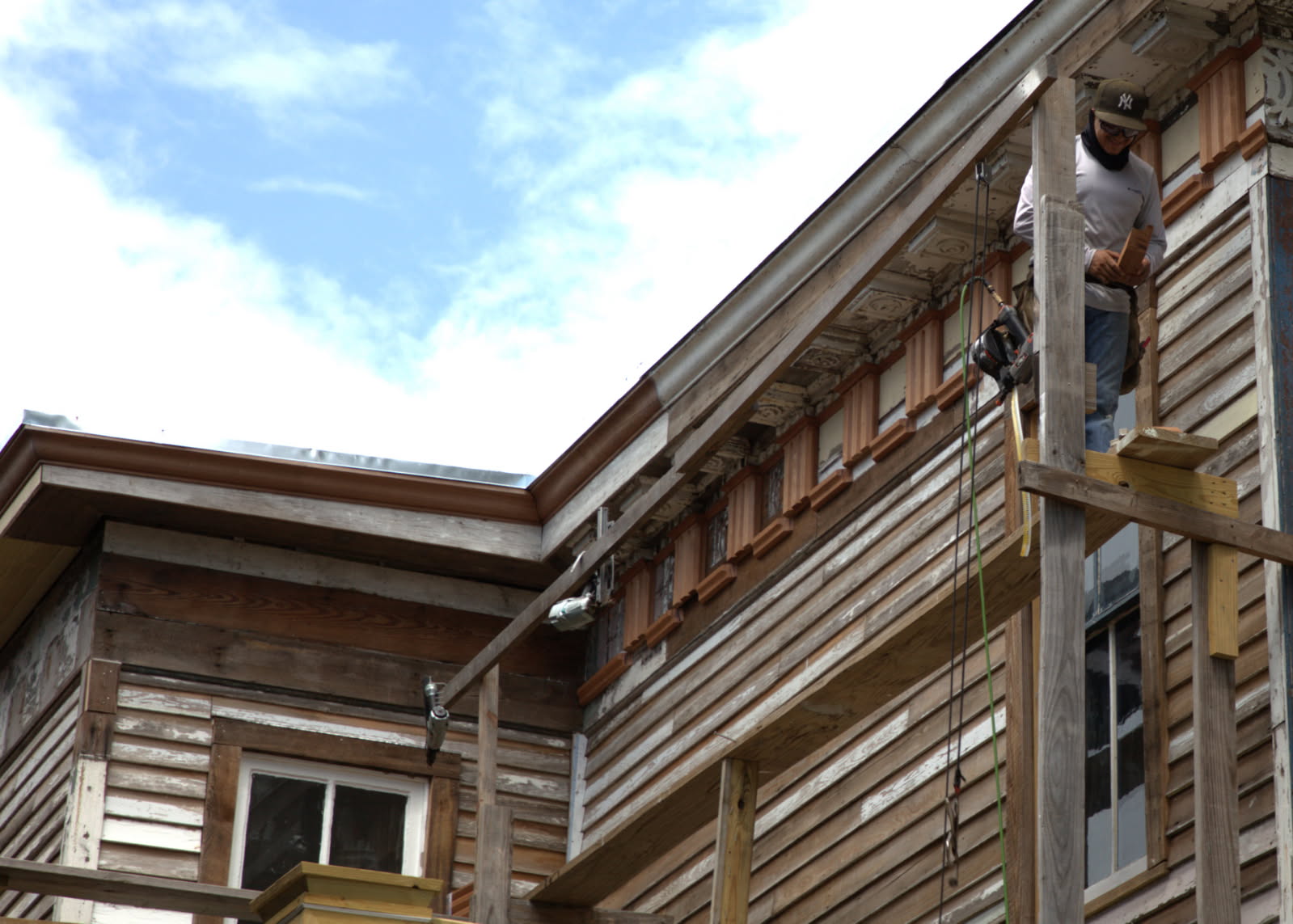
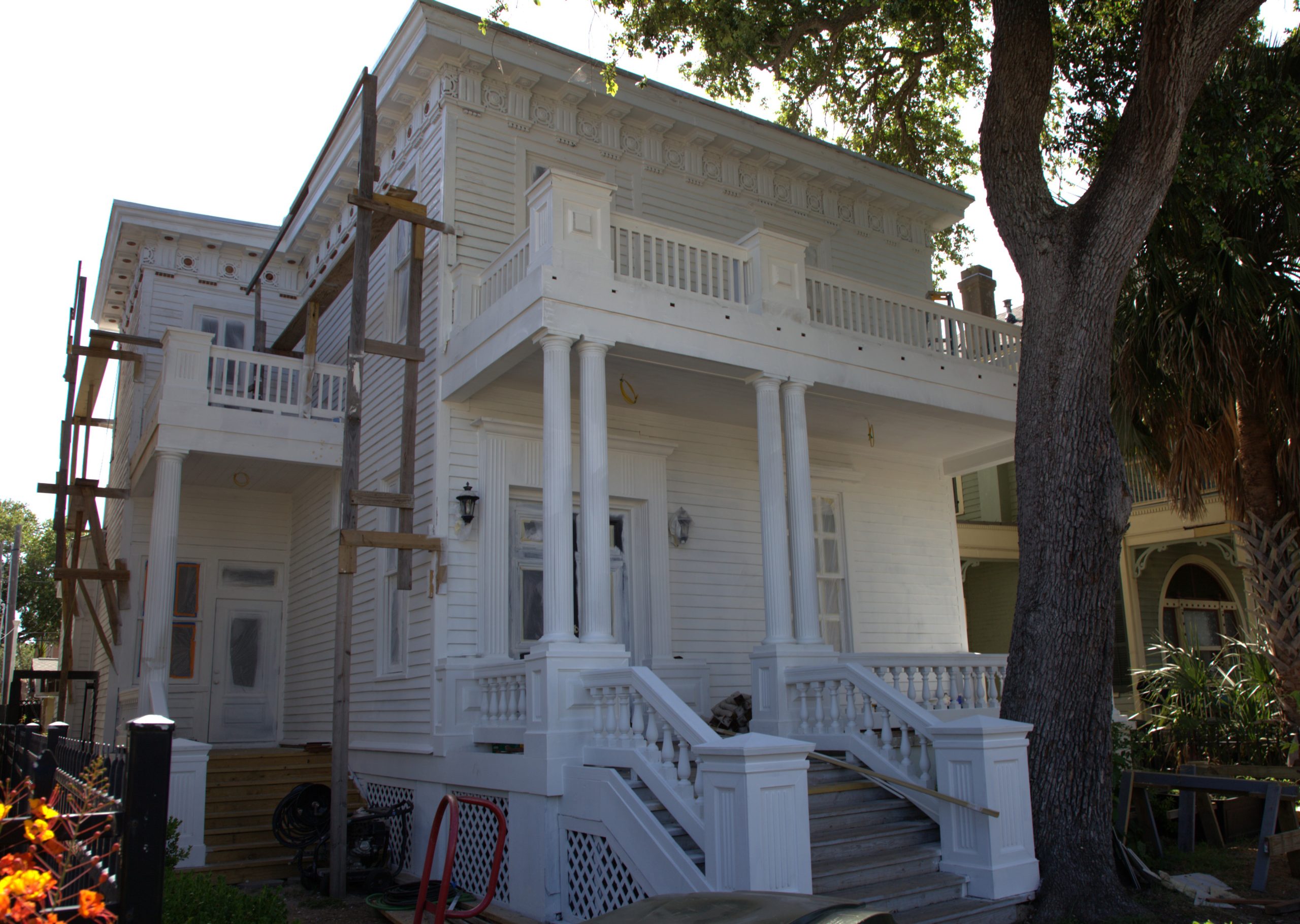
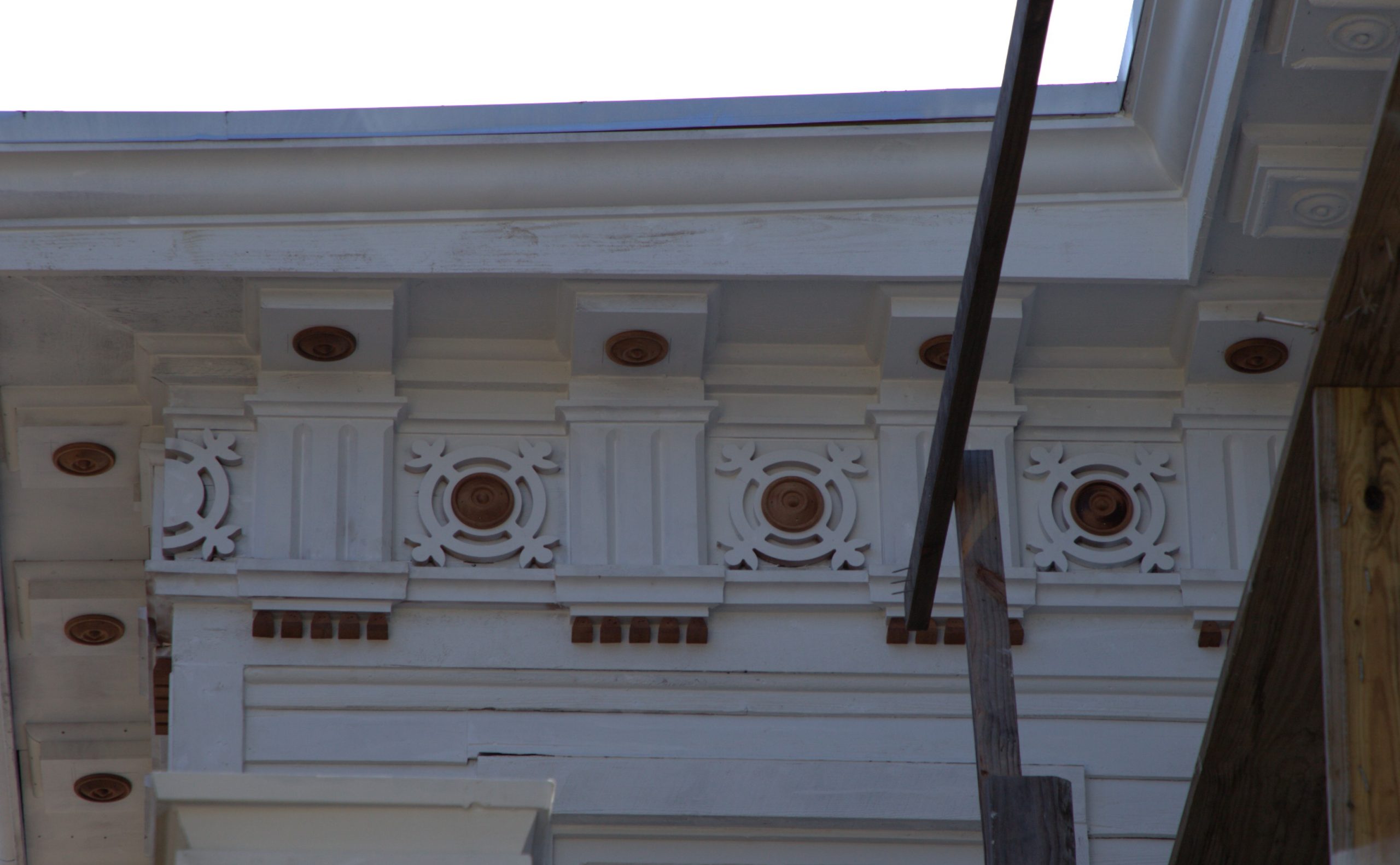
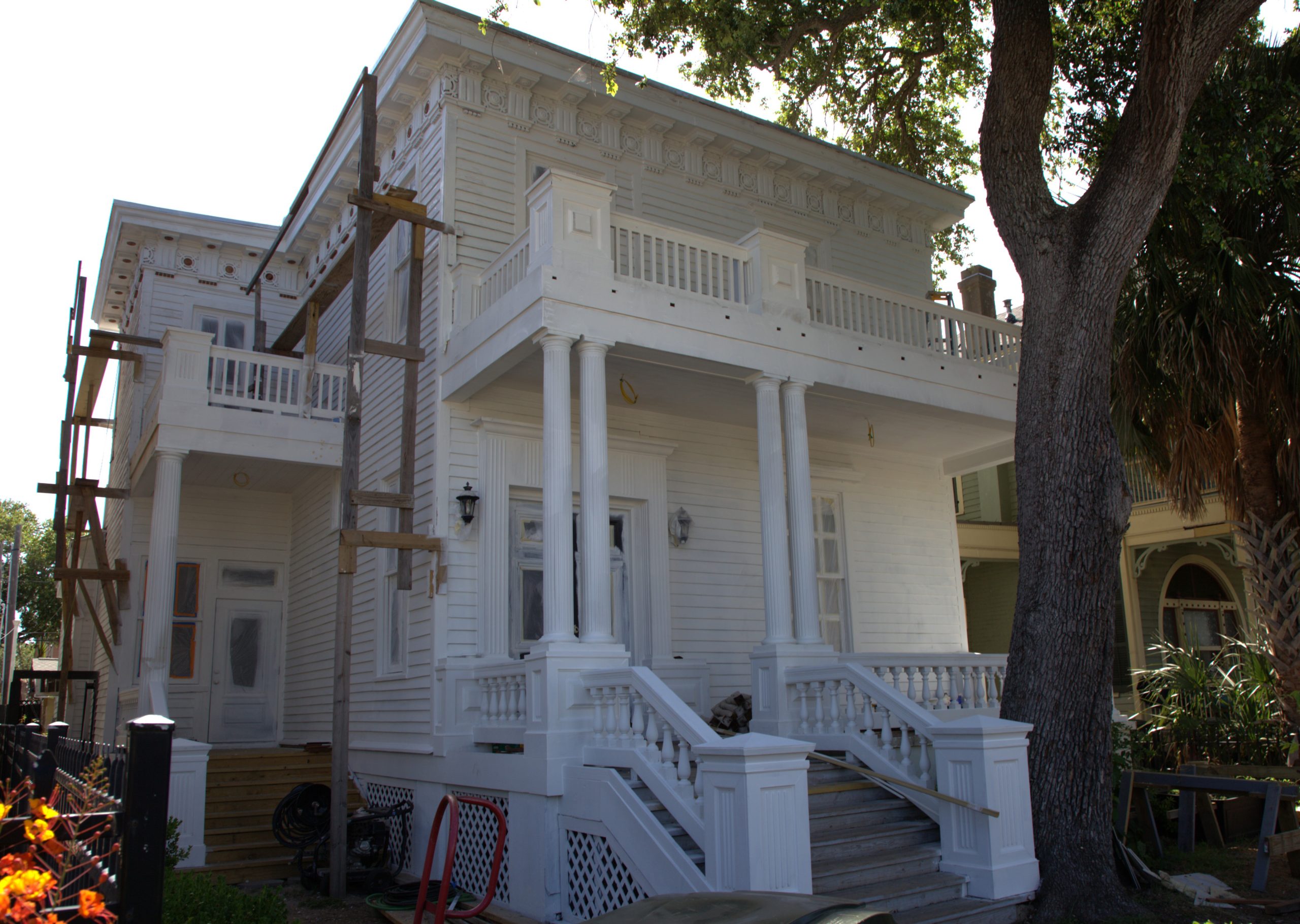

When we started thinking about the restoration we knew the unique Clayton frieze-work was going to take a milling shop that cared as much as we did about attention to detail. After visits to several shops, we felt comfortable that Mason's had the marriage of old-world craftsmanship and new-world technology that suited our needs. And, that instinct for quality was proved in the end by the product we received. And, working with our rep, Colin Waters, could not have gone any smoother. Historical architecture restoration takes close collaboration and, most especially, time -- Mason's was there with us on both accounts from beginning to end. We're confident their millwork will grace this house another 170 years. - Victor and Sandra Viser
What makes restoring a Nicholas Clayton building uniquely challenging is the same thing that makes it worth restoring: the extraordinary specificity of the millwork. Clayton did not use off-the-shelf profiles. His Greek Revival buildings were exercises in custom ornament — every cornice run, every rosette medallion, every dentil block and bullet molding was part of a deliberate compositional whole. Replicating that after fire damage requires more than lumber. It requires a mill with the capability and knowledge to do it right.
Colin Waters and the custom team at Mason’s Mill approached the project the way serious restoration demands: starting with what survived. Working directly from fire-damaged original pieces salvaged from the home — sections of cornice, rosette ornaments, dentil blocks, bullet moldings, and frieze members — the Mason’s Mill team studied each profile, matched it against their library of over 8,000 moulding knives, and where no match existed, ground new knives in-house to reproduce the profile exactly.
The results speak for themselves. The new mouldings — milled in clear hardwood, true to every dimension of the originals — arrived on site and fit seamlessly alongside the surviving historic fabric of the home. Victor and Sandra Viser have received widespread praise for the quality of the restored millwork, and that quality traces directly back to the precision of Mason’s Mill’s custom milling operation.
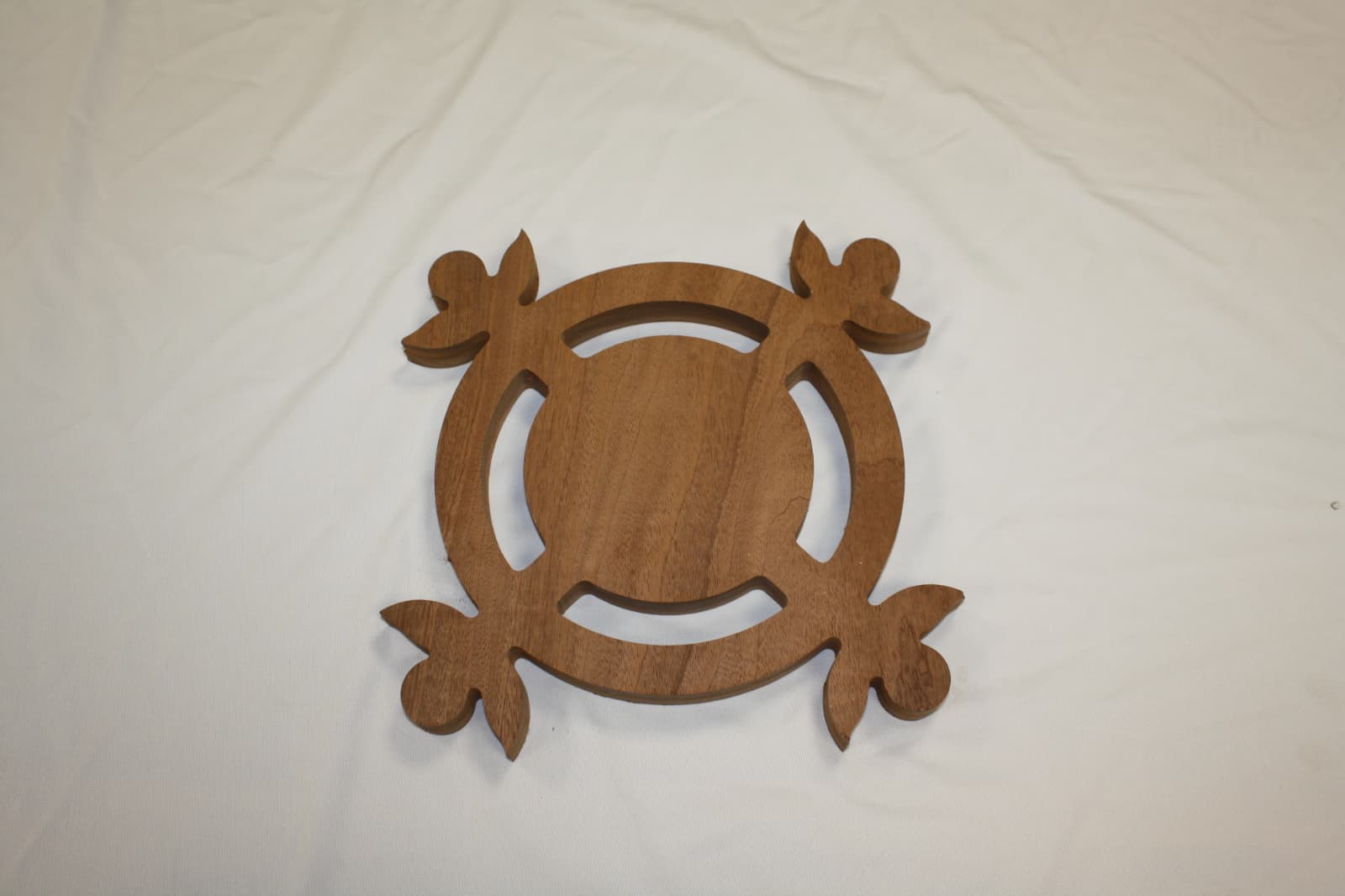
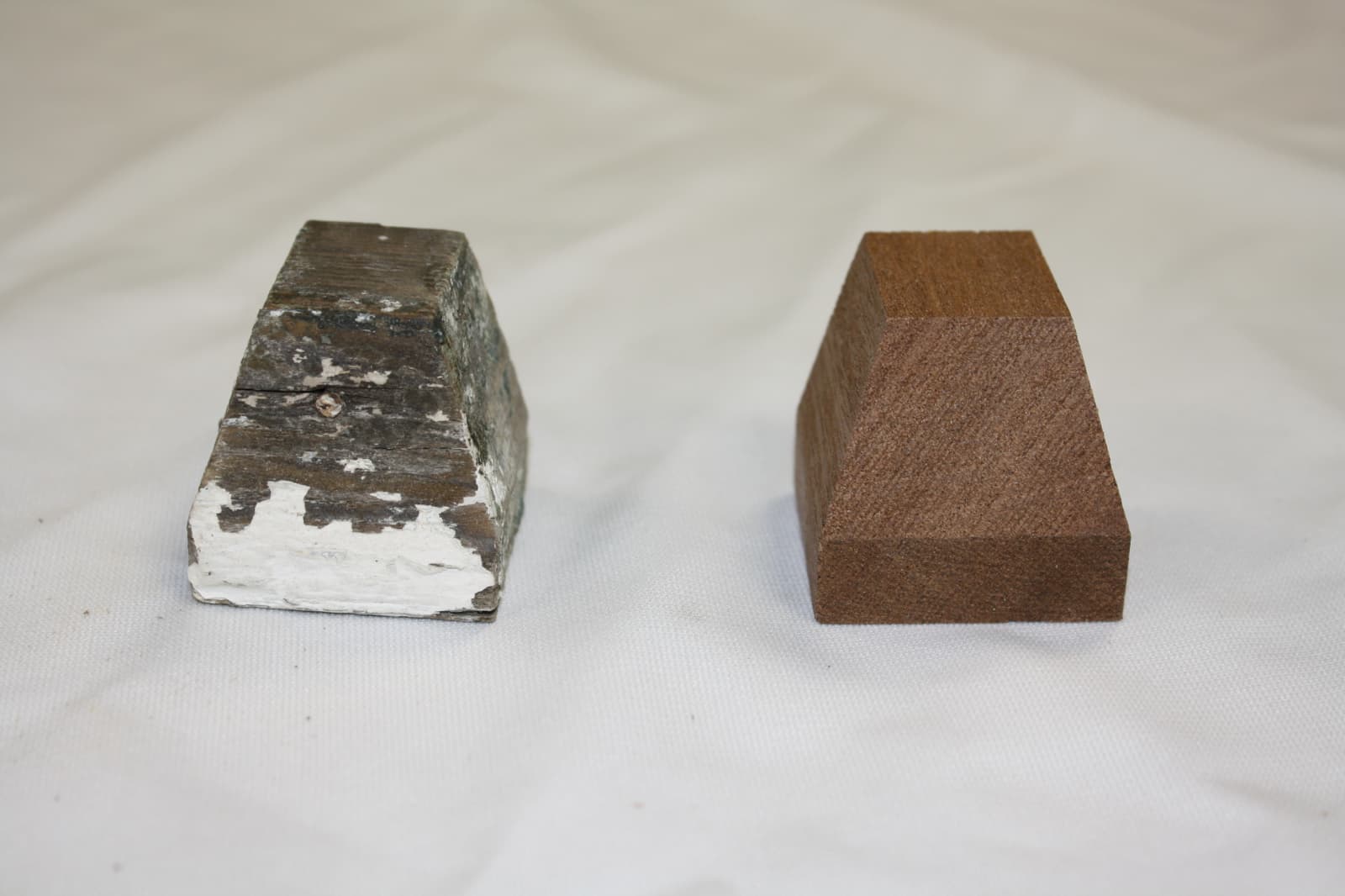
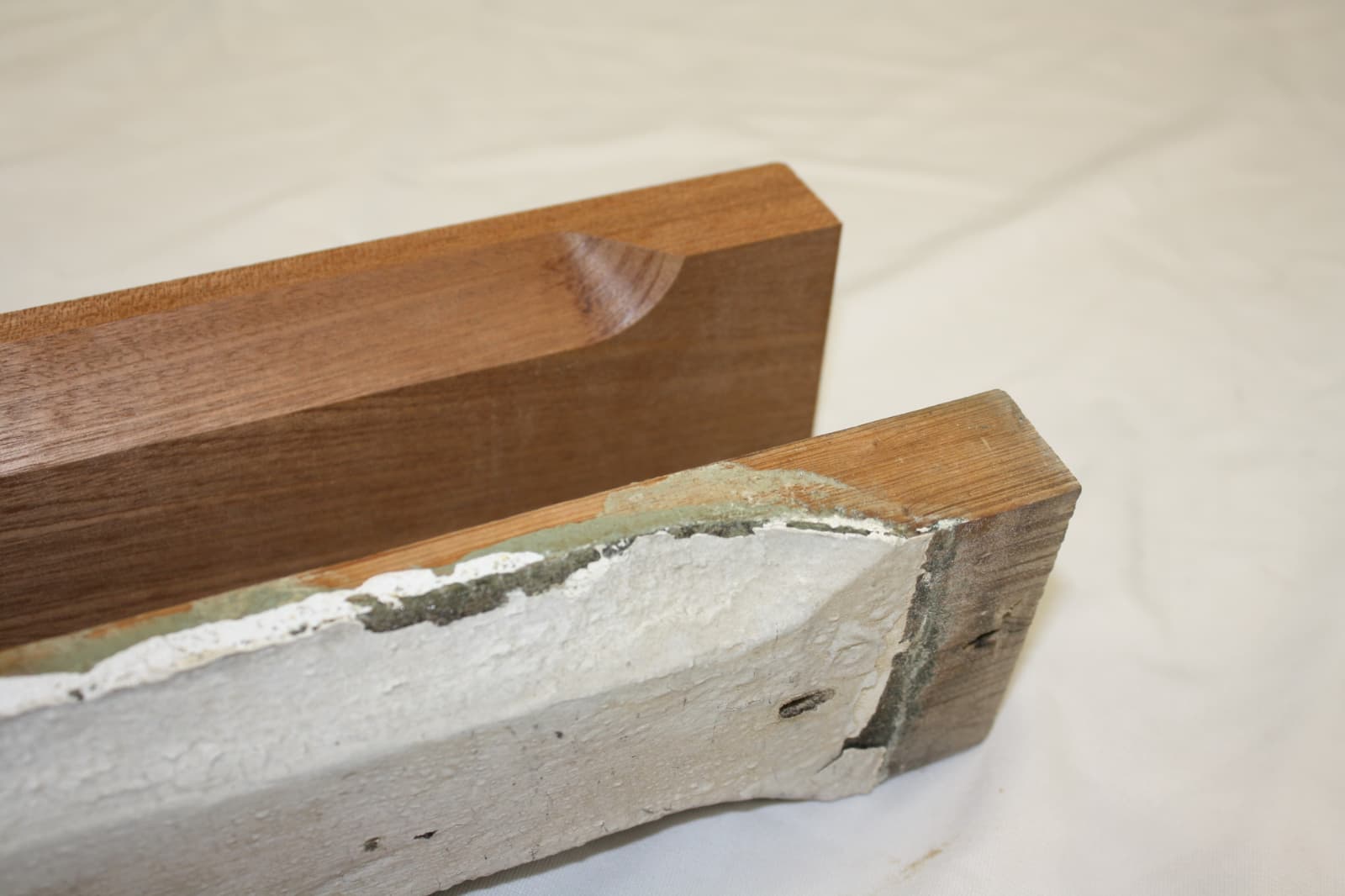
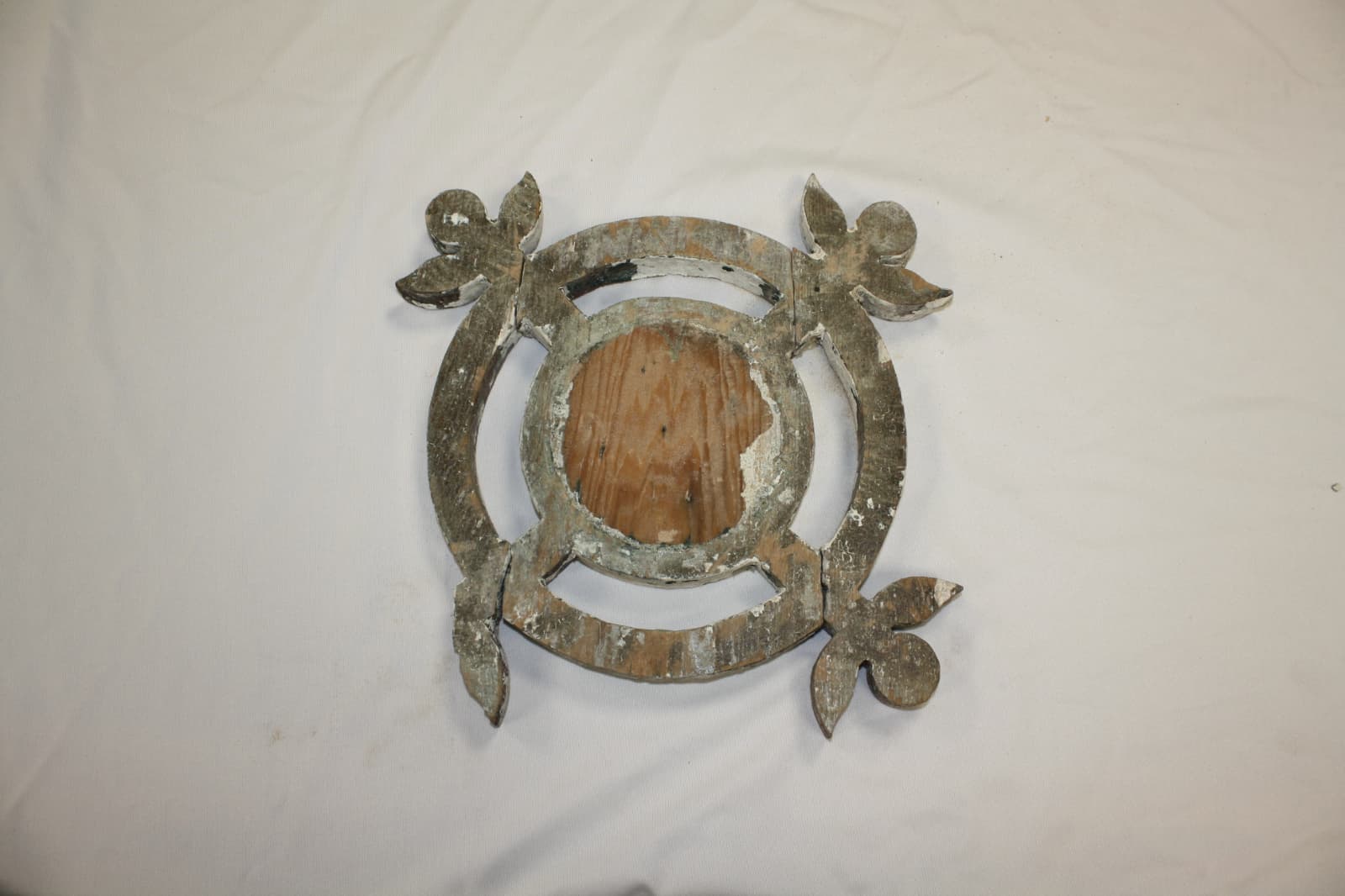
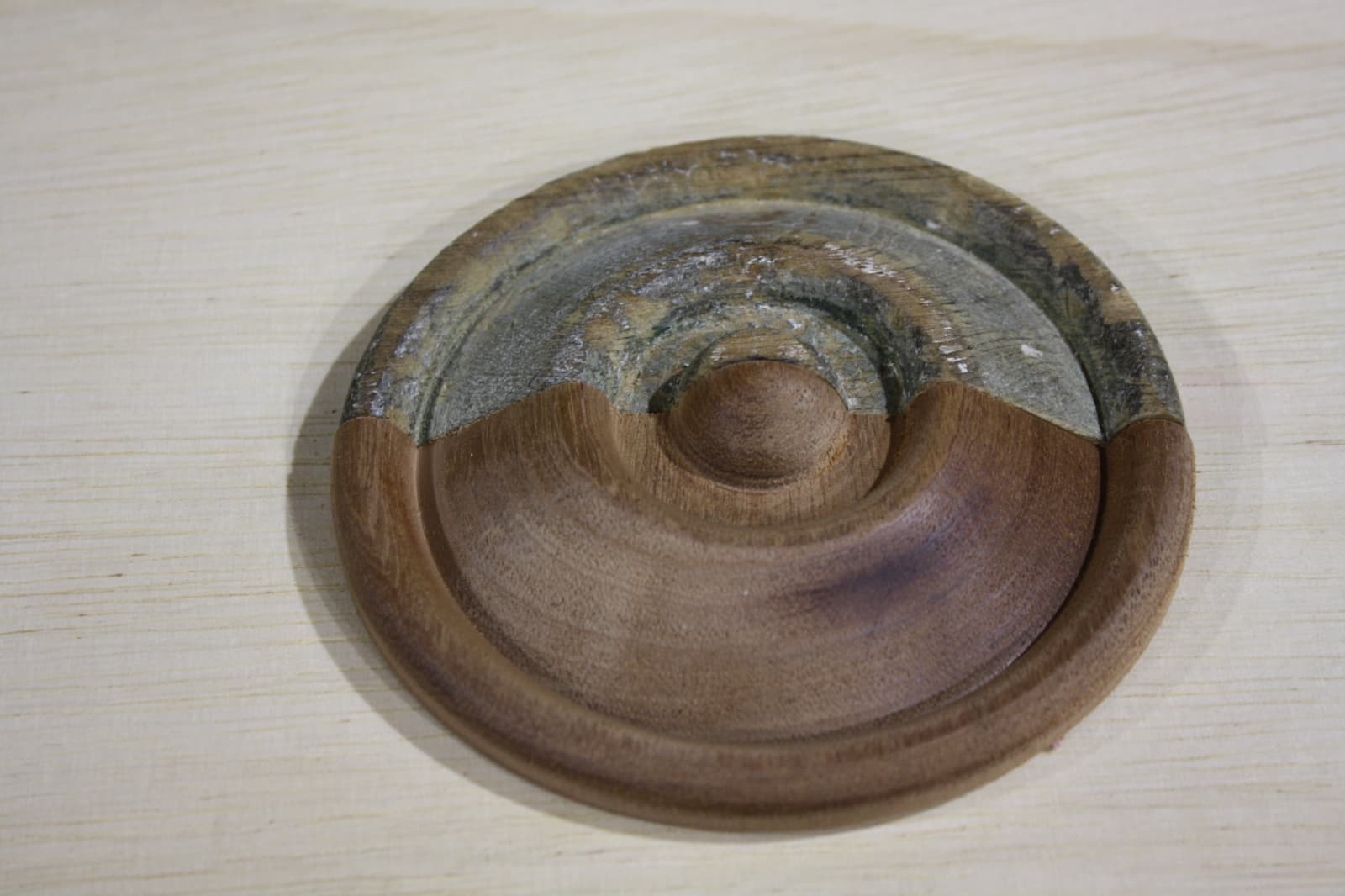


The Goldthwaite-Viser House project is exactly the kind of challenge Mason’s Mill was built to meet.
Since 1989, Mason’s Mill & Lumber has operated as a family-owned millwork facility in Houston, Texas, growing into one of the most capable custom moulding operations serving architects, designers, builders, and homeowners across Texas and the United States. At the heart of that capability is an in-house knife library of over 8,000 moulding profiles and a custom grinding operation that can produce new knives from a drawing, a photograph, or a physical sample — often within days.
That capability is exactly what historical restoration demands. When a project involves a Nicholas Clayton building — or any 19th-century structure — there are no manufacturer spec sheets or catalog pages to reference. You have what survived the fire, the storm, or the years. And you need a mill that can read a damaged piece of wood, understand what it was, and make it again.
Mason’s Mill’s M3 Custom Shop is designed precisely for this challenge. The team can identify a historic architectural period from photographs of existing trim, recommend matching profiles from the existing knife library, and when a profile doesn’t exist, grind the knife in-house and run it in the hardwood of your choice. Mason’s Mill also offers a free Architectural Moulding Style Guide covering ten common American architectural traditions — Greek Revival, Victorian & Eastlake, Italianate, Craftsman, and more — with guidance on the profiles and details typical to each style.

The Goldthwaite-Viser House has survived 170 years of Gulf Coast history — the Great Storm, the grade-raising of Galveston Island, a cross-city relocation, and now a devastating fire. That survival is a testament to the vision of Mary Ella Willis Goldthwaite, the craftsmanship of Nicholas Clayton, and the determination of Victor and Sandra Viser to see this home stand — restored to its original Greek Revival glory — for generations more.
Mason’s Mill is proud to have been part of that story. Whether it is a single fire-damaged profile or a full exterior millwork package for a landmark property, the mission is the same: bring the precision and craftsmanship that the original builders would have expected.
If you are working on a restoration project — historic or otherwise — and need custom moulding profiles matched to an original, we would love to hear from you. Browse our moulding profiles or reach out to our custom sales team to get started.
The Goldthwaite-Viser House is a historic Greek Revival home located in Galveston's Silk Stocking Historic District, a neighborhood listed on the National Register of Historic Places. The home originated as the L-shaped wing of the 1857 George Ball House on the Rosenberg plat and was relocated to its current site on 24th Street in 1902 following the Great Storm of 1900 and Galveston's subsequent grade-raising. Mary Ella Willis, who married Joseph Goldthwaite and was a member of one of Galveston's most prominent families, commissioned Nicholas Clayton — Galveston's premier architect — to redesign the home. The April 2025 Silk Stocking District fire caused extensive damage, and the ongoing restoration by owners Victor and Sandra Viser — the first since the home arrived at this site over 120 years ago — has resulted in the property receiving its official name: the Goldthwaite-Viser House.
Nicholas Clayton (1840–1916) was the most prolific and celebrated architect of Gilded Age Galveston. Irish-born and trained in Cincinnati and New Orleans, he arrived in Galveston in 1872 and over the following decades designed some of the most significant buildings in Texas, including the Bishop's Palace, Sacred Heart Church, and the Ursuline Convent. While his career spanned the Victorian era, Clayton was equally masterful in the Greek Revival tradition — and the Goldthwaite-Viser House is a prime example of that mastery. His Greek Revival work is characterized by full-height classical columns, richly ornamented friezes, rosette medallions, bullet moldings, and dentil courses — profiles that were custom-designed for each building and cannot be sourced from any standard catalog. Restoring a Clayton building means reproducing that custom millwork with precision, which is exactly why the project required Mason's Mill's custom grinding capabilities.
Greek Revival is a classical architectural style that draws on the forms and ornamental vocabulary of ancient Greek temples — columns, entablatures, friezes, dentil moldings, and symmetrical facades. It was the dominant style for American civic and residential architecture from roughly 1820 through the Civil War era. Victorian architecture, by contrast, is a broader term for the eclectic and often highly ornamental styles popular during Queen Victoria's reign (1837–1901), including Italianate, Queen Anne, and Eastlake. Nicholas Clayton worked across both traditions during his Galveston career. The Goldthwaite-Viser House is Greek Revival — its columns, frieze, rosette medallions, bullets, and dentils are all classical Greek Revival elements, executed by Clayton with exceptional refinement during the Victorian period.
Mason's Mill worked from fire-damaged original pieces salvaged from the home — sections of the Greek Revival cornice, rosette medallion ornaments, dentil blocks, bullet moldings, and frieze members — to match and mill period-accurate replacements. Each profile was cross-referenced against Mason's Mill's library of over 8,000 moulding knives. Where an exact match didn't exist, new knives were ground in-house to replicate the profile precisely. All new moulding was run in clear hardwood to match the original construction.
Yes — that is exactly how this project was done. The Mason's Mill M3 Custom Shop can match a moulding profile from a physical sample, a photograph, or a hand sketch. Even a fire-damaged or deteriorated piece can typically provide enough information to reverse-engineer the original profile. If the profile doesn't exist in the existing knife library, Mason's Mill grinds a new knife in-house and runs it in the species and grade of your choice, often within days of receiving the sample.
Gulf Coast conditions — high humidity, salt air, and extreme summer heat — place additional demands on exterior millwork. For a property like the Goldthwaite-Viser House, species with strong dimensional stability and paint adhesion are preferred. Clear vertical grain Douglas fir, Radiata pine, and Spanish cedar are commonly used for exterior restoration work in coastal climates due to their resistance to movement and their long paint life. Mason's Mill carries a wide range of species and can advise on the best choice for your specific application, finish, and budget.
Yes. Mason's Mill regularly collaborates with preservation architects, historic restoration contractors, and property owners on projects ranging from single damaged profiles to complete exterior millwork packages for landmark buildings. The team can review project drawings, salvaged samples, or reference photography and provide a detailed custom quote. If you are working with a preservation architect or contractor, Mason's Mill is comfortable working within the review and approval process that historic restoration projects typically require.
The easiest first step is to bring or ship a sample of the moulding you need matched — even if it is damaged — along with any photographs showing the profile in context on the building. From there, the custom sales team will identify a match from the existing knife library or quote a custom knife grind. You can reach Mason's Mill through the contact form at masonsmillandlumber.com or by calling the Houston location directly.