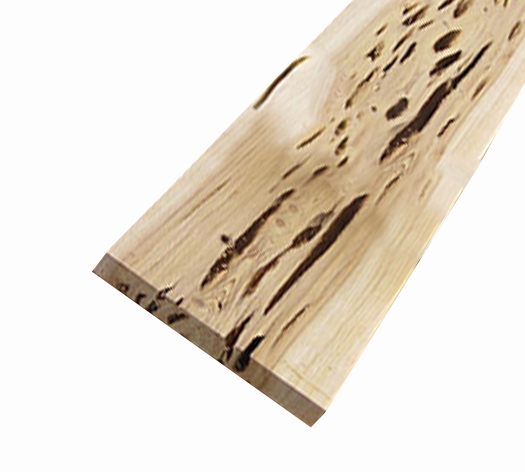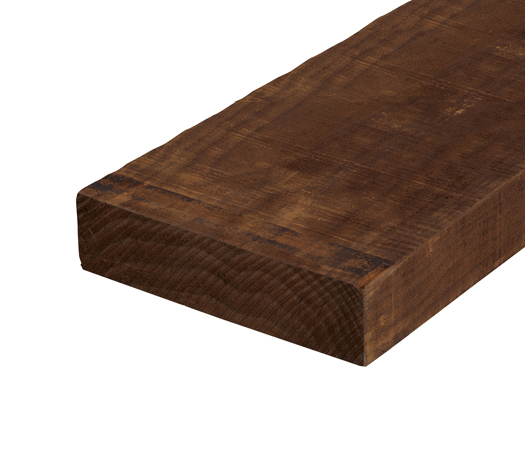
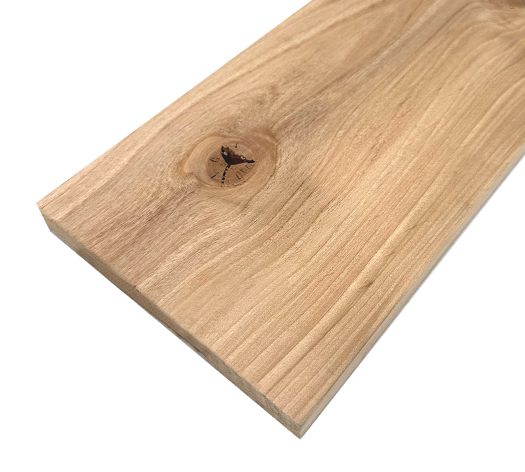
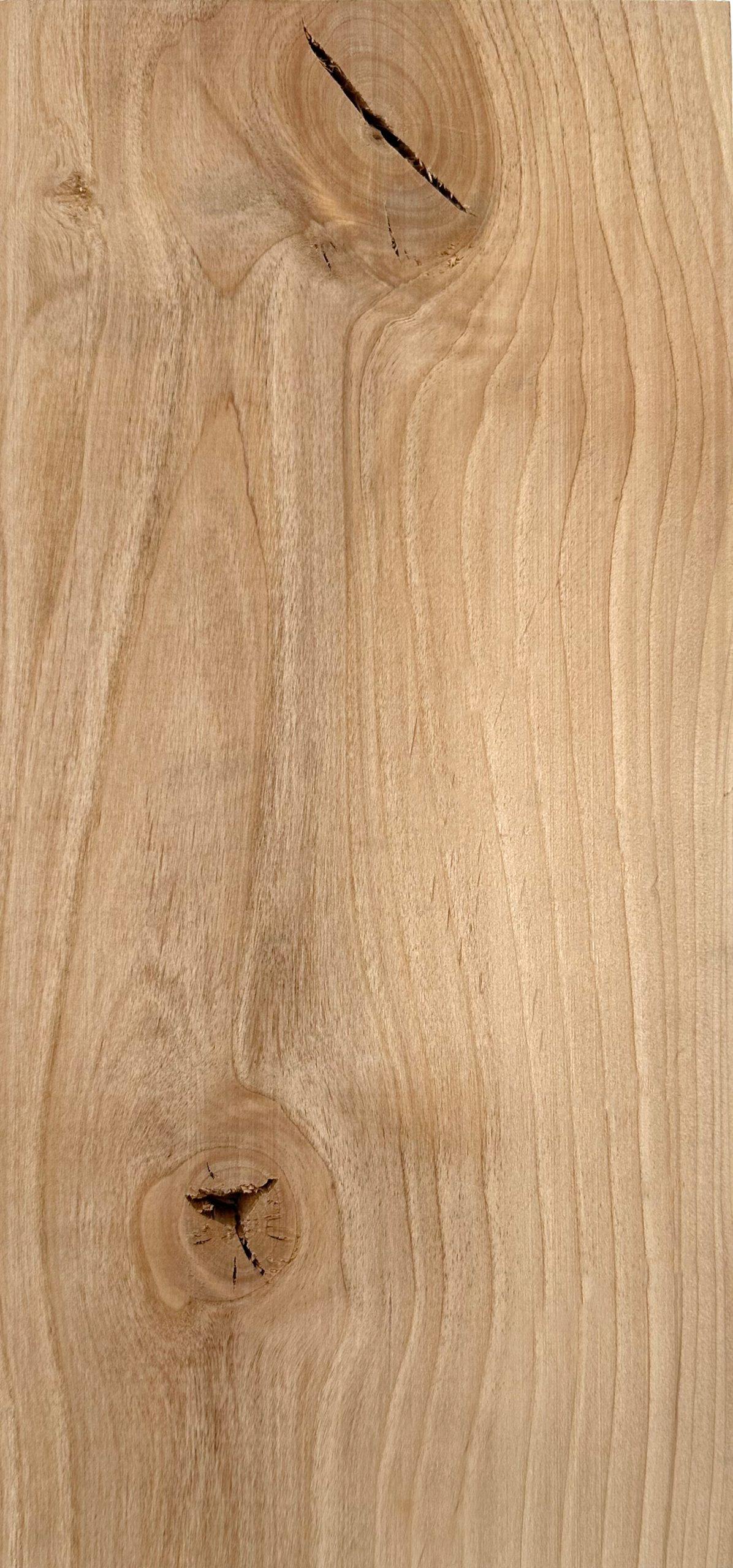
Also known as premium frame alder direct from the Pacific Northwest. Because of its grain pattern, alder is frequently used as a substitute for walnut and cherry. Knotty alder cabinets and mouldings are very popular in high-end homes as well as rustic cabins. Alder machines well and is excellent for turning. It nails, screws and glues well, and can be sanded, painted, or stained to a good finish.
When stained, it blends with walnut, mahogany or cherry. It dries easily with little degrade and has good dimensional stability after drying. Alder, a relative of birch, is almost white when freshly cut but quickly changes on exposure to air, becoming light brown with a yellow or reddish tinge. Heartwood is formed only in trees of advanced age and there is no visible boundary between sap and heartwood. The wood is fairly straight-grained with a uniform texture.
CLICK HERE TO ORDER A $10.00 SAMPLE in your choice of species that will be credited towards your full order.
In rustic or knotty grades of lumber, there will be a percentage of degrade during the milling process. Some knots may shake lose and/or fall out during the milling process. Mason’s Mill is not liable for these defects in moldings produced from knotty grades of lumber.